
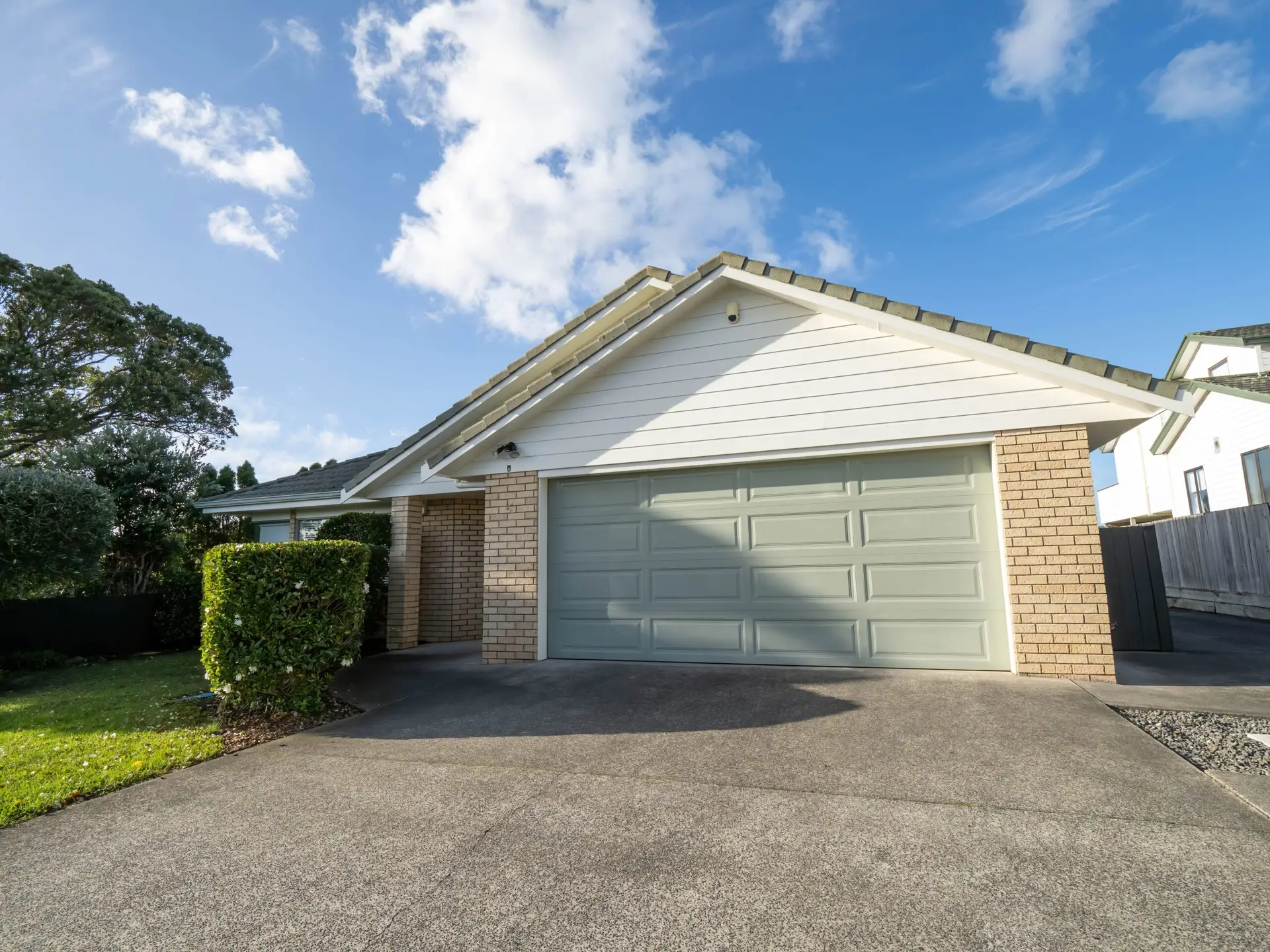
Painting your garage door is one of the most impactful and cost-effective ways to boost your home’s curb appeal. A fresh coat of paint can transform a tired, faded door into a vibrant focal point, complementing your home’s overall aesthetic. This DIY guide will walk you through the steps to achieve a professional-looking finish.
Why paint a garage door? instant curb appeal
A garage door often takes up a significant portion of a home’s front facade. Over time, it can fade, chip, or simply look dated. Painting it offers:
- Instant Refresh: A new color instantly rejuvenates the entire exterior.
- Enhanced Curb Appeal: Makes your home look well-maintained and inviting.
- Color Coordination: Allows you to tie the garage door color into your home’s trim, front door, or overall color scheme.
- Cost-Effective: Significantly cheaper than replacing the entire door.
- Protection: Adds a protective layer against weather elements.
Prep: wash, dry, sand, tape
Proper preparation is crucial for a lasting paint job.
- Clear Area: Remove any vehicles or obstacles from the garage. Lay down drop cloths to protect the driveway.
- Clean Thoroughly:
- Wash the entire garage door with a mild detergent (like dish soap) and water. Use a soft-bristled brush or sponge to scrub away dirt, grime, cobwebs, and mildew.
- For stubborn mildew, use a solution of 1 part bleach to 3 parts water.
- Rinse the door thoroughly with a garden hose to remove all soap residue.
- Dry Completely: Allow the garage door to dry completely. This can take several hours, or even overnight, depending on humidity and temperature. Any trapped moisture can lead to paint adhesion issues.
- Inspect and Repair: Check the door for any loose paint, rust spots, or peeling.
- Loose Paint/Rust: Use a wire brush or sandpaper to remove any flaking paint or rust.
- Dents/Holes: Fill small dents or holes with exterior-grade wood filler (for wood doors) or Bondo/epoxy filler (for metal/fiberglass). Sand smooth once dry.
- Light Sanding (Optional but Recommended): Lightly scuff the entire surface with 150-grit sandpaper or a sanding sponge. This creates a “tooth” for the new paint to adhere to, especially important for glossy or smooth surfaces.
- Tape Off: Use high-quality painter’s tape to mask off any areas you don’t want to paint, such as window panes, hardware (handles, hinges, weatherstripping), and the trim around the door frame.
Use of primer and choosing exterior paint
- Primer:
- Recommended for: Unpainted doors, heavily chalked or faded surfaces, areas where old paint was removed (exposed bare material), or when making a significant color change (e.g., dark to light).
- Type: Use a high-quality exterior-grade acrylic primer. For metal doors, an anti-corrosive metal primer is essential for rust prevention.
- Application: Apply a thin, even coat of primer according to manufacturer instructions. Allow it to dry completely.
- Choosing Exterior Paint:
- Type: Always use a 100% acrylic exterior paint. This type is flexible, durable, and designed to withstand the elements, resisting cracking, fading, and mildew.
- Color: Choose a color that complements your home’s exterior trim, front door, or roof. Consider lighter colors for heat reflection, especially in sunny climates.
- Finish: A satin or semi-gloss finish is typically recommended. They are durable, easy to clean, and offer a subtle sheen that looks appealing. Avoid flat finishes, as they can trap dirt.
Painting panels: brush cut-in, roller for fields
Work in sections, following the natural lines of the garage door panels.
- Work Top to Bottom: Start painting at the top of the door and work your way down.
- Brush for Details: Use a high-quality angled sash brush to “cut in” around windows, raised panel edges, and recessed areas. This ensures crisp lines and full coverage in crevices.
- Roller for Flat Panels: Use a small to medium-sized roller (with a 3/8-inch nap for smooth surfaces, 1/2-inch for textured) to paint the larger, flat fields of each panel. Roll in even, overlapping strokes.
- Two Thin Coats: Apply two thin coats of paint rather than one thick one. Thin coats adhere better, dry faster, and are less prone to dripping and cracking. Allow adequate drying time between coats (check paint can for specifics).
Recommended finishes & tool tips
- Finishes:
- Satin: Provides a subtle, appealing sheen, good durability, and easy cleaning.
- Semi-Gloss: More reflective and durable, excellent for high-traffic or high-exposure areas.
- Tool Tips:
- High-Quality Brushes: Invest in good synthetic brushes for acrylic paints. They hold more paint and provide smoother strokes.
- Rollers: Use a roller cover suitable for exterior use and your door’s surface texture.
- Paint Tray & Grids: A good paint tray and a roller grid help load the roller evenly and prevent overloading.
Drying times & weather conditions
- Optimal Weather: Paint on a mild, dry day, typically when temperatures are between 50-90°F (10-32°C). Avoid painting in direct hot sun, high humidity, or if rain is expected within 24-48 hours.
- Drying Times:
- To Touch: Usually 1-4 hours.
- Recoat: 4-8 hours (check manufacturer’s instructions).
- Full Cure: Can take several days to a few weeks. Avoid harsh scrubbing or abrasive contact until fully cured.
Maintenance & touch-up care
- Regular Cleaning: Periodically wash your painted garage door with a mild soap and water solution to remove dirt, mildew, and pollutants.
- Inspect Annually: Once a year, inspect the door for any signs of chipping, peeling, or fading.
- Touch-Ups: Address small imperfections or chips promptly. Keep a small can of your paint for touch-ups. Clean the area, lightly sand if needed, and apply a small amount of paint with a fine brush.
Mass Pro Painting provides professional garage door painting services across Massachusetts. Our team ensures meticulous preparation, precise application, and a durable, beautiful finish that significantly enhances your home’s curb appeal and longevity.