
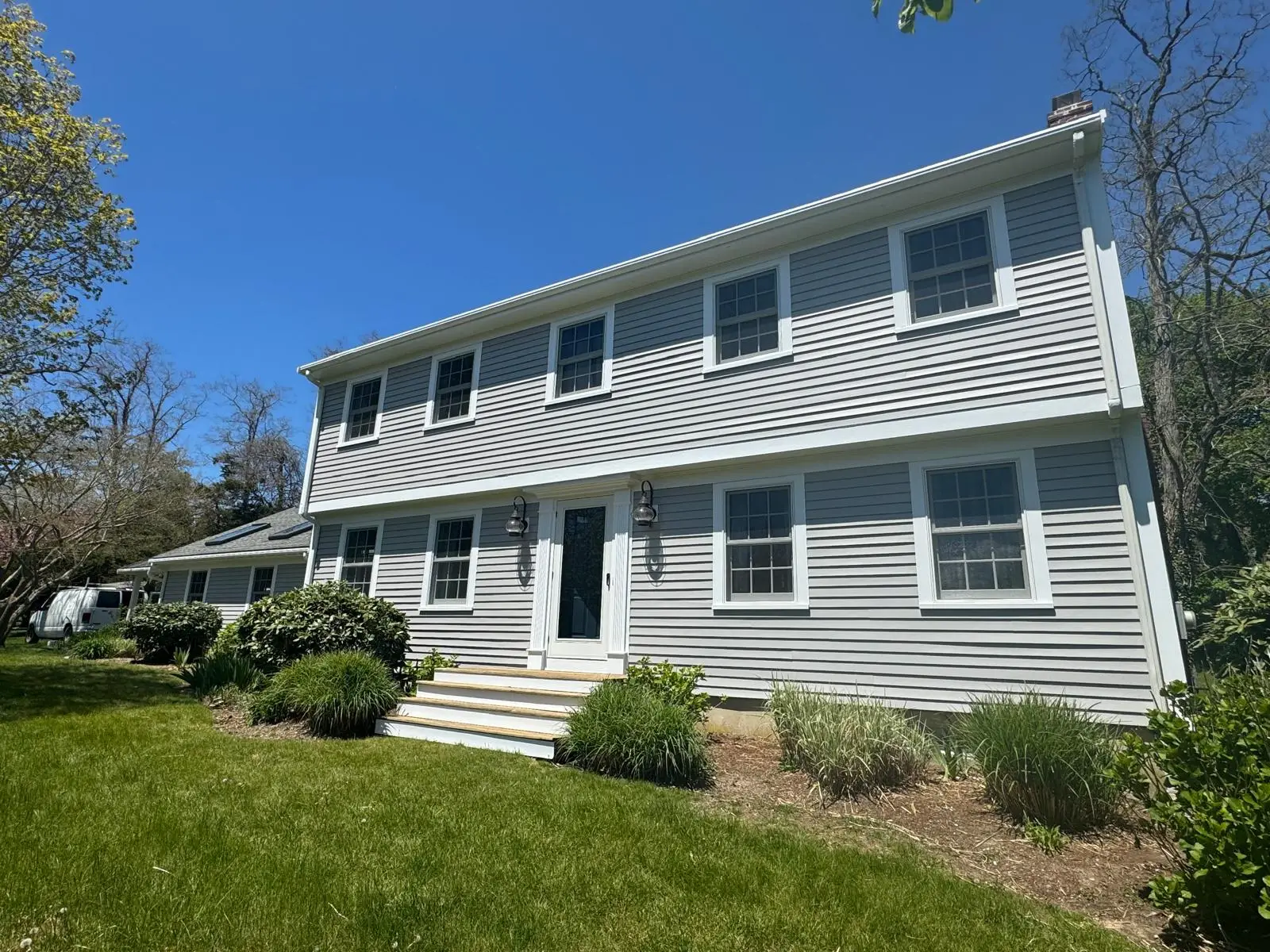
Aluminum siding is a popular choice for many homes due to its durability, low maintenance, and long lifespan. However, over time, its factory finish can fade, chalk, or simply become outdated, diminishing your home’s curb appeal. The good news is that you don’t necessarily need to replace it. Painting aluminum siding is an excellent way to refresh your home’s exterior, offering a cost-effective solution to update its look and extend its protective life. The key to a successful and lasting paint job lies in understanding the right preparation, choosing the best paint types, and considering the unique properties of aluminum.
Can you paint aluminum siding? Surface prep essentials
Yes, you can absolutely paint aluminum siding, and doing so can give your home a fresh, updated appearance for a fraction of the cost of replacement. However, proper surface preparation is not just important; it’s absolutely essential for paint adhesion and longevity. Skipping or rushing these steps will lead to premature peeling, blistering, and an unsatisfactory finish.
- Thorough cleaning is paramount:
- Why: Aluminum siding often develops a chalky residue as its factory finish breaks down over time. This chalk, along with dirt, grime, mildew, and oxidation, must be completely removed for paint to adhere properly.
- How: Start with a thorough power washing using a mild detergent or a dedicated siding cleaner. For mildew, a solution of part bleach to 3 parts water can be effective (always rinse thoroughly afterward). Work from the bottom up to avoid streaking, and rinse from the top down. Ensure the siding is immaculately clean and free of any residue. Allow it to dry completely.
- Scraping and sanding (if necessary):
- Why: If there’s any peeling paint, rust, or significant oxidation, it must be removed. Light sanding provides a “tooth” for the new paint.
- How: Use a wire brush or scraper for loose paint or rust spots. For general adhesion, a light scuff sanding with fine-grit sandpaper (180−220 grit) or a sanding sponge can improve bonding, especially on glossy areas. Wipe down all dust meticulously.
- Repair damages:
- Why: Repair any dents, holes, or loose sections before painting. Paint won’t hide significant flaws.
- How: For small dents, specialized auto-body filler can be used, sanded smooth. For loose siding, ensure it’s securely fastened.
- Priming (highly recommended, often essential):
- Why: Primer creates an ideal bonding surface between the aluminum and the topcoat. It’s especially crucial if your siding is heavily chalked, oxidized, bare, or if you’re making a significant color change. A good primer also helps block stains and prevents the old finish from bleeding through.
- How: Use a high-quality, exterior-grade, acrylic or epoxy primer specifically formulated for metal or challenging surfaces. Apply a thin, even coat according to the manufacturer’s instructions. Allow it to dry fully.
Best paint types for aluminum: Acrylic, elastomeric, oil-based
The type of paint you choose directly impacts durability, appearance, and adhesion to aluminum siding. Modern formulations offer excellent performance.
- Acrylic latex paint (best all-around choice):
- Composition: Water-based paints made with 100% acrylic resins.
- Pros:
- Excellent Adhesion: Bonds very well to properly prepared aluminum.
- Flexibility: Crucial for aluminum, which expands and contracts with temperature changes. Acrylics are flexible and resist cracking, blistering, and peeling.
- Color Retention: Superior resistance to fading and chalking, maintaining color vibrancy over time due to UV resistance.
- Breathability: Allows moisture vapor to escape from behind the siding, preventing paint bubbles.
- Low VOCs/Low Odor: More environmentally friendly and pleasant to work with.
- Easy Cleanup: Water cleanup.
- Cons: Dries quickly, which means proper technique is needed to avoid lap marks.
- Recommendation: High-quality 100% acrylic latex exterior paint is generally the top recommendation for aluminum siding.
- Elastomeric paint (specialized use):
- Composition: A very thick, highly flexible, water-based acrylic paint with rubber-like properties.
- Pros:
- Extreme Flexibility: Excellent for bridging hairline cracks in existing siding, offering superior waterproofing and crack resistance.
- Durability: Very tough and long-lasting.
- Cons: Much thicker consistency, which can make application more challenging. Often more expensive. Can be prone to dirt pickup due to its slightly softer surface.
- Recommendation: Consider for older aluminum siding with minor existing cracks, or for enhanced waterproofing, but generally not needed for siding in good condition.
- Oil-based (alkyd) paint (generally not recommended):
- Composition: Made from alkyd resins dissolved in mineral spirits or other solvents.
- Pros: Traditionally known for very hard, durable finishes and good adhesion to metal.
- Cons:
- Rigidity: Less flexible than acrylics, making them prone to cracking, chipping, and peeling on aluminum siding as it expands and contracts. This is a significant drawback.
- Yellowing: Tend to yellow over time, especially whites and light colors, due to UV exposure.
- Strong Odor/High VOCs: Unpleasant fumes and less environmentally friendly.
- Slower Drying/Harder Cleanup: Long drying times and requires mineral spirits for cleanup.
- Recommendation: Generally avoid for aluminum siding due to its lack of flexibility, which leads to premature failure.
Color considerations for reflectivity & heat reduction
Choosing a paint color for aluminum siding involves more than just aesthetics; it also affects the siding’s performance, particularly regarding heat absorption and reflectivity.
- Heat Absorption:
- Dark Colors: Black, dark grays, deep blues, and other dark hues absorb significantly more solar radiation than lighter colors.
- Impact on Aluminum: While less common with modern paints and proper prep, excessive heat absorption can potentially lead to warping or buckling of aluminum siding, as the material expands considerably when heated. This risk is higher with thinner gauge aluminum.
- Energy Efficiency: Dark colors can transfer more heat into your home, potentially increasing cooling costs in warmer climates if insulation is inadequate.
- Reflectivity:
- Light Colors: White, light grays, pastels, and other light colors reflect a high percentage of sunlight.
- Impact on Aluminum: This reflectivity helps keep the siding cooler, reducing the risk of thermal expansion and warping.
- Energy Efficiency: Lighter colors help keep your home cooler, potentially reducing reliance on air conditioning.
- Fading and chalking:
- All exterior paints will eventually fade due to UV exposure, but darker, more saturated colors tend to show fading more dramatically than lighter hues. They may also exhibit chalking more visibly.
- Choosing high-quality 100% acrylic paint with excellent UV resistance is crucial, regardless of color.
- Practical advice:
- Moderate Colors: If you love dark colors, consider very deep grays or charcoal blues instead of pure black for a slightly reduced heat absorption while still achieving a bold look.
- Consider Climate: In hot, sunny climates, leaning towards lighter or mid-tone colors for aluminum siding is a safer choice for long-term performance and energy efficiency.
- Test Samples: Always test large paint samples on your actual siding on different sides of the house to see how the color appears in various lighting conditions and how much heat it absorbs.
Long-term maintenance tips to avoid peeling or flaking
Once your aluminum siding is beautifully painted, ongoing maintenance is key to preserving its finish and preventing premature peeling or flaking.
- Regular Cleaning:
- Why: Dirt, dust, pollen, and environmental pollutants can build up on the paint surface, dulling its appearance and potentially harboring mold or mildew.
- How: Periodically (e.g., annually or bi-annually), wash your siding with a soft brush or cloth, mild detergent, and a garden hose. Avoid high-pressure washing that can damage the paint film or force water behind the siding.
- Inspect for Damage:
- Why: Catching small issues early prevents them from escalating into larger problems.
- How: Routinely inspect your siding for any signs of chipping, bubbling, flaking, or peeling paint. Pay close attention to areas exposed to direct sun and rain, or near landscaping.
- Address Minor Repairs Promptly:
- Why: Small areas of damage can allow moisture to penetrate, leading to more widespread paint failure.
- How: If you notice small chips or scratches, clean the area thoroughly, lightly sand (if needed), prime, and touch up with matching paint.
- Manage Moisture:
- Why: Moisture trapped behind the siding is a common cause of blistering and peeling.
- How: Ensure gutters and downspouts are clean and direct water away from the house. Trim back bushes or trees that are too close to the siding, which can trap moisture. Ensure proper ventilation in attics and crawl spaces.
- Avoid Abrasive Cleaning:
- Why: Abrasive scrubbers or harsh chemical cleaners can damage the paint film and reduce its lifespan.
- How: Stick to soft brushes, cloths, and mild, pH-neutral cleaners.
- Professional Assessment: If you notice widespread paint failure (e.g., extensive peeling or chalking despite proper maintenance), consult with a professional painter to assess the underlying cause and recommend the best course of action. It could indicate insufficient initial preparation or a product incompatibility.
Ready to revitalize your home with a fresh, durable paint job on your aluminum siding? Mass Pro Painting specializes in expert exterior painting, offering meticulous surface preparation, premium paint selection, and flawless application for lasting beauty and protection. Contact us today for a free consultation and let us transform your home’s curb appeal!