
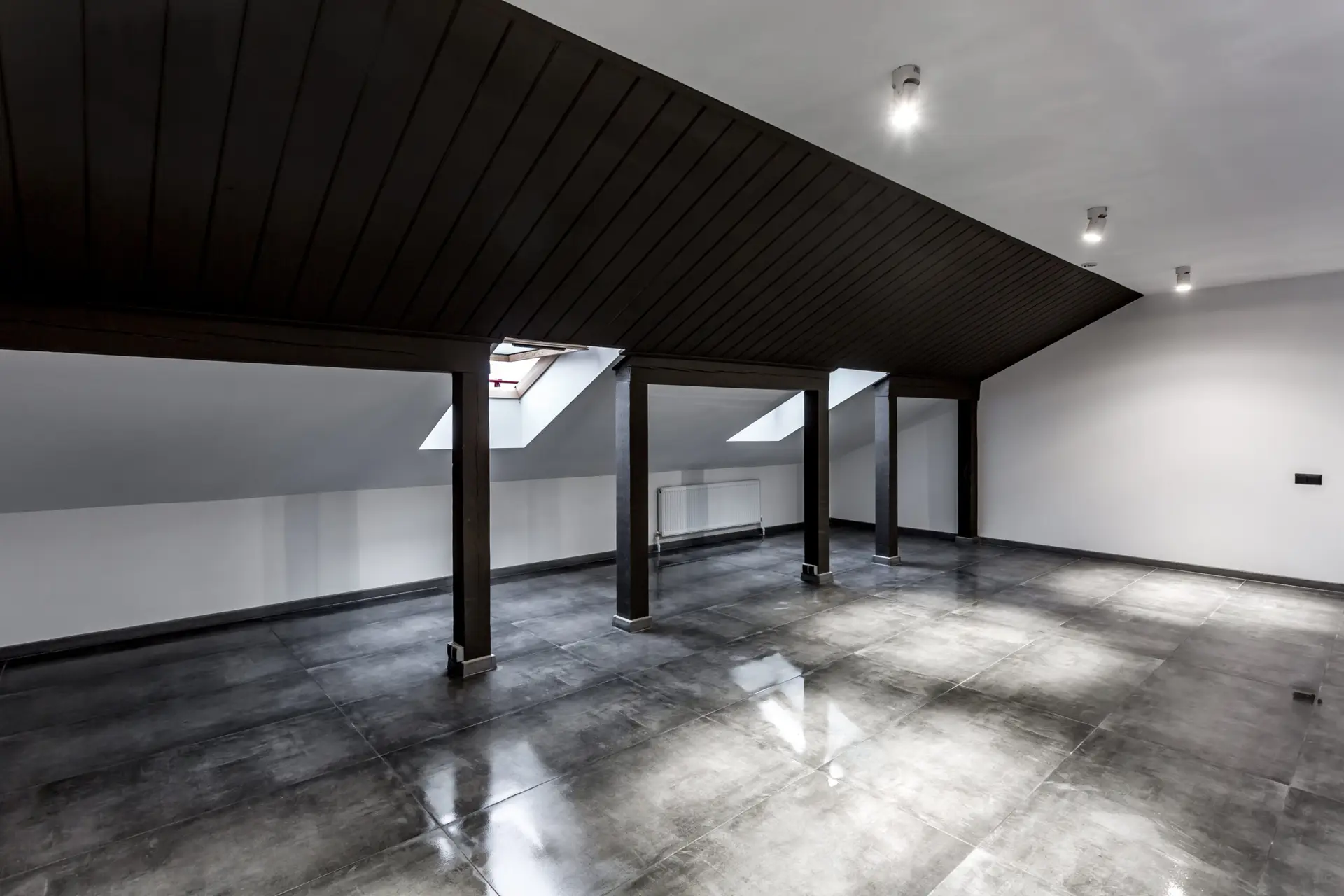
Painting a basement ceiling black is a bold design choice that can dramatically transform a typically overlooked space into a striking and sophisticated area. Far from making a basement feel smaller or darker, when executed correctly, a black ceiling can create a sense of depth, hide unsightly elements, and contribute to a modern, intimate, or industrial aesthetic. This approach is particularly effective in basements, where natural light is often limited, and exposed infrastructure is common. Discover why this trending design choice is gaining popularity, its unique benefits, and how to achieve a stunning result in your own home.
Why black ceilings work in basements
Basements present unique challenges and opportunities that make black ceilings an exceptionally effective design solution.
- Concealing Exposed Elements: Perhaps the most compelling reason to paint a basement ceiling black, especially an unfinished one, is its ability to make exposed ductwork, pipes, wiring, and structural joists visually recede. Instead of standing out as clutter, these elements blend into a uniform, dark backdrop, creating a much cleaner and more finished look without the cost of installing a full drywall ceiling.
- Embracing Lower Ceilings: Many basements have lower ceiling heights than main living areas. While light colors can try to “raise” the ceiling visually, a black ceiling embraces the lower height by creating an intimate, cozy atmosphere rather than emphasizing the lack of vertical space. It can make a large, open basement feel more contained and inviting.
- Creating a Sophisticated Ambiance: Black evokes feelings of sophistication, elegance, and modernism. In a basement, this can translate into a chic home theater, a stylish bar area, a refined home office, or a cozy lounge.
- Industrial Aesthetic: For those aiming for an industrial or urban loft feel, a black exposed ceiling perfectly complements raw materials like concrete floors, exposed brick, and metal accents.
Design benefits: Depth, style & hiding imperfections
Beyond the practical concealment, a black basement ceiling offers significant aesthetic advantages:
- Creates Depth and Illusion: A black ceiling can create the illusion of infinite depth, making the ceiling seem to disappear altogether. This works particularly well when the walls are painted a lighter, contrasting color, allowing the eyes to focus on the lower, brighter portions of the room.
- Enhances Architectural Features: When walls and other architectural elements are lighter, a black ceiling can make them pop. Beams, columns, and accent walls become more prominent and defined against the dark backdrop.
- Sets a Mood: Black ceilings are masterful at setting a specific mood. They can make a space feel more dramatic, luxurious, calming, or intimate, depending on the lighting and decor chosen to accompany it. It’s an excellent choice for entertainment areas where a darker atmosphere is desired.
- Hides Imperfections: Just as black conceals exposed pipes, it’s also excellent at hiding minor imperfections in drywall or inconsistencies in an exposed ceiling’s texture. The lack of reflectivity in a matte black finish means that minor bumps, dings, or uneven surfaces are far less noticeable than with a lighter, more reflective paint.
Best paint types and finishes for black ceilings
Choosing the right paint type and finish is crucial for achieving a successful and durable black basement ceiling.
- Paint Type:
- Acrylic-Latex Paint: This is the most common and recommended type for interior ceilings. It’s water-based, easy to clean up, low-VOC, and dries relatively quickly. Look for high-quality interior acrylic-latex formulas specifically designed for ceilings or high-traffic areas.
- Specialized “Kitchen & Bath” Paint: While primarily for walls, some premium brands offer mold- and mildew-resistant formulas that can be beneficial for basement ceilings, especially if moisture is a concern. These often come in durable matte or eggshell finishes.
- Primer:
- High-Adhesion Primer: For exposed ceilings (wood, metal, plastic), a strong bonding primer is essential to ensure the black paint adheres properly to all surfaces.
- Stain-Blocking Primer: If you have existing water stains or other discolorations on the ceiling, a good stain-blocking primer (e.g., shellac-based or alkyd) is vital before applying the black topcoat.
- Finish (Sheen):
- Flat/Matte: This is the most recommended finish for black basement ceilings, especially exposed ones.
- Pros: Maximizes the light-absorbing qualities of black, making elements truly disappear. Hides imperfections, uneven surfaces, and dust better than any other sheen due to its non-reflective nature. Creates a smooth, velvety, sophisticated look.
- Cons: Traditional flat paints can be less durable and harder to clean, but modern premium flat/matte paints offer good washability.
- Eggshell/Satin:
- Pros: Offers a slight sheen, making it more durable and washable than flat. Can add a subtle luster.
- Cons: The slight reflectivity can start to highlight imperfections and the textures of exposed elements, which might defeat the purpose of using black to conceal.
- Recommendation: Use with caution on exposed ceilings. Better suited for a perfectly smooth, finished drywall ceiling if you want a subtle glow.
- Semi-Gloss:
- Pros: Very durable and highly washable.
- Cons: Not recommended for black basement ceilings, particularly exposed ones. The high reflectivity will exaggerate every imperfection, every pipe, and every bump, making the ceiling look uneven and busy rather than concealed and seamless.
- Flat/Matte: This is the most recommended finish for black basement ceilings, especially exposed ones.
Tips for painting basement ceilings black successfully
Painting an entire basement ceiling black requires careful planning and execution.
- Thorough Cleaning is Non-Negotiable: Before anything else, completely clean the ceiling. This involves removing all dust, cobwebs, loose debris, and any grease or grime from pipes/ducts. Use a strong degreaser if necessary. Any dirt left behind will be permanently sealed in by the paint.
- Make All Repairs: Secure any loose wires or pipes. Cap off or remove any abandoned lines. Repair any drywall imperfections if you have a finished ceiling. Address any existing moisture issues or leaks before painting.
- Protect Everything Extensively: Black paint, especially when sprayed, can have significant overspray. Cover all walls, floors, windows, light fixtures, and anything else you don’t want painted with plastic sheeting and painter’s tape. This is a critical step and will save you immense cleanup time.
- Ventilation and Safety: Ensure excellent ventilation in the basement. Use a high-quality respirator mask, safety goggles, and old clothing. Black paint can be messy, and proper protection is key.
- Use a Paint Sprayer (Highly Recommended): For exposed ceilings with intricate pipes and ductwork, a paint sprayer is invaluable. It provides a smooth, even finish and allows you to cover all angles of the exposed elements much faster and more effectively than brushing and rolling. If you only have a finished drywall ceiling, rolling is feasible.
- Apply Primer: Don’t skip primer, especially on exposed elements or if there are existing stains. A dark-tinted primer can help reduce the number of finish coats needed for true black coverage.
- Two Coats of Paint: Even with a tinted primer, plan for at least two full coats of black paint to ensure rich, uniform coverage, especially if painting over lighter surfaces.
- Be Patient: Let each coat dry completely according to manufacturer instructions before applying the next. Rushing can lead to streaking or an uneven finish.
Lighting ideas to complement a black ceiling
Since black absorbs light, strategic lighting is essential to prevent the basement from feeling too dark or cave-like.
- Ample Layered Lighting: Don’t rely on a single light source. Incorporate multiple layers of light:
- General Lighting: Recessed LED pot lights (with adjustable gimbals to direct light), flush-mount fixtures, or track lighting. Ensure these are spaced appropriately to provide even ambient light.
- Task Lighting: Over workbenches, reading nooks, or kitchenettes.
- Accent Lighting: To highlight artwork, architectural features, or shelving.
- Warm Color Temperatures: Opt for LED bulbs with a warm color temperature (2700K-3000K). This will create a cozier, more inviting glow that contrasts beautifully with the starkness of a black ceiling, preventing the space from feeling cold.
- Dimmers: Install dimmers on all light fixtures. This allows you to adjust the ambiance from bright and functional to soft and intimate, depending on the activity.
- Uplighting: Incorporate uplights (e.g., floor lamps that project light upwards) to bounce light off the lower, lighter walls, adding indirect illumination and making the room feel larger.
- Under-Cabinet Lighting: In a basement bar or kitchenette, under-cabinet lighting can add functional light and a warm glow against the darker ceiling.
- Sconces and Lamps: Wall sconces and table/floor lamps add pools of light at eye level, breaking up the darkness and contributing to the room’s character.
- Reflective Surfaces: Incorporate elements like mirrors, metallic accents, or light-colored furniture and decor to help reflect light around the room.
By embracing the boldness of a black ceiling and pairing it with thoughtful lighting, you can create a basement that is not only functional but also a uniquely stylish and inviting extension of your home.
Ready to give your basement a dramatic and modern makeover with a black painted ceiling? Start planning your project and create a truly unique living space!