
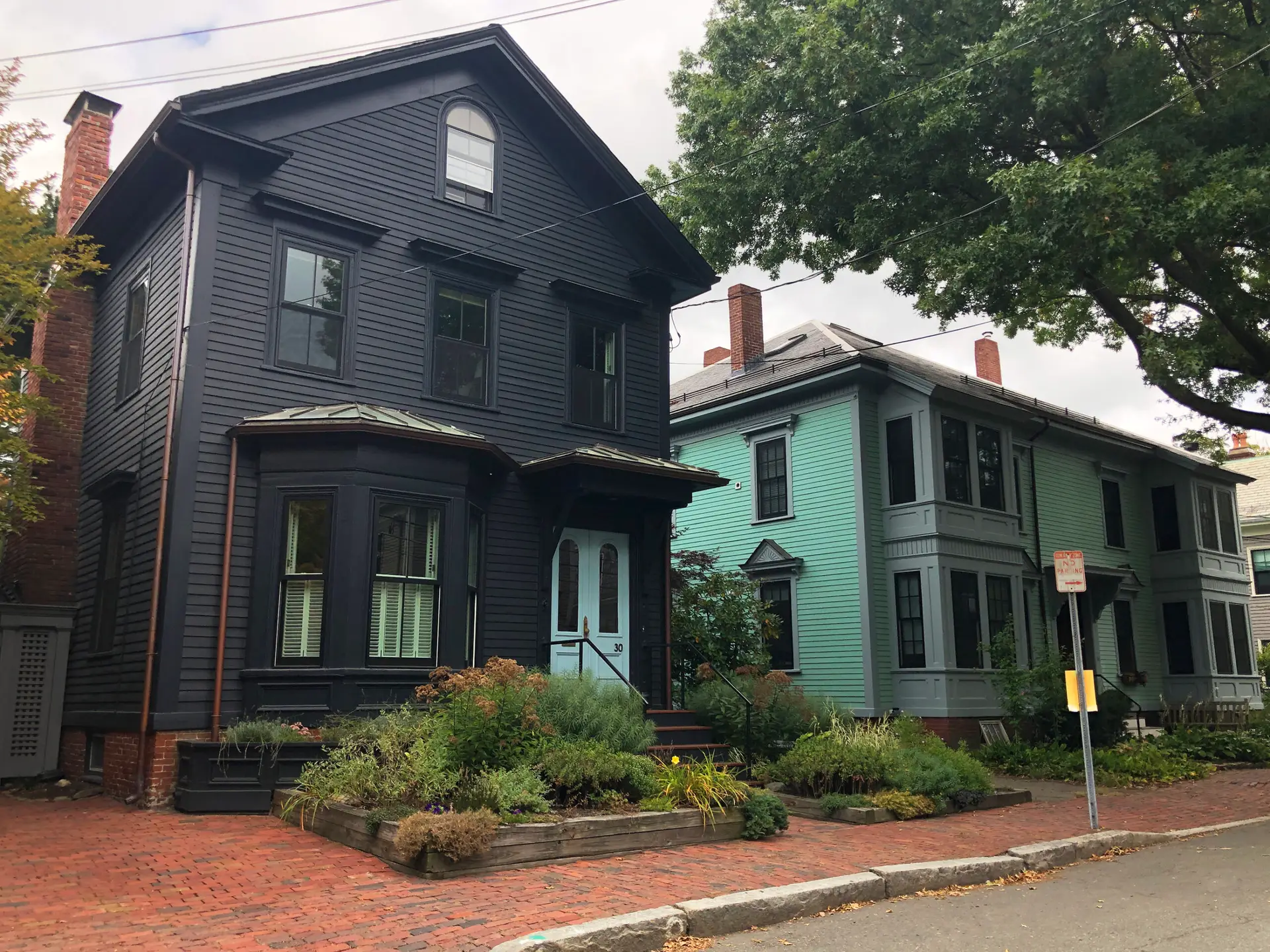
Black exterior house paint has emerged as a bold and sophisticated choice, moving beyond traditional perceptions to become a symbol of modern elegance and dramatic curb appeal. Far from being a gloomy option, black, when used thoughtfully, can make a home stand out with a striking presence, highlight architectural details, and create a strong connection with the surrounding landscape. Its ability to recede into the background, yet simultaneously make a powerful statement, is what makes it so appealing to contemporary designers and homeowners seeking a distinctive look.
Popular black shades: Tricorn black, black suede, iron ore
When choosing black paint, it’s rarely a simple “black.” Most popular black exterior shades are complex, offering subtle nuances in their undertones that can significantly change how the color appears in different lighting conditions and on various materials.
- Sherwin-Williams Tricorn Black (SW 6258):
- Description: Often considered a “true” or “pure” black, Tricorn Black is a highly popular choice because it has very minimal visible undertones. It’s a deep, rich, and intense black that reads as a strong, solid color.
- Why it’s popular: Its neutrality makes it incredibly versatile, pairing well with almost any accent color or material. It offers a very crisp, modern, and dramatic look.
- Best for: Homes aiming for a sharp, contemporary, or minimalist aesthetic. It provides a striking contrast with white or light-colored trim.
- Benjamin Moore Black Suede (2133-10):
- Description: Black Suede is a softer, more muted black compared to Tricorn Black. It often has subtle deep charcoal or barely-there brown/gray undertones that give it a sophisticated, “lived-in” feel. It’s not as stark, offering a slightly less aggressive, more organic appearance.
- Why it’s popular: It provides drama without being overwhelmingly dark, making it approachable for those hesitant about a pure black. Its softer quality can complement traditional or rustic architectural styles beautifully.
- Best for: Homes seeking a sophisticated, understated dark look that feels grounded and natural. It works well with wood accents or natural stone.
- Sherwin-Williams Iron Ore (SW 7069):
- Description: Iron Ore is a very deep, rich charcoal gray that often reads as a soft black, especially in certain lighting. It has prominent warm, earthy, almost brown undertones that give it a unique organic quality.
- Why it’s popular: It’s a fantastic alternative for those who want the drama of black but prefer a slightly softer, more inviting feel. Its warm undertones prevent it from feeling cold or stark.
- Best for: Homes with natural wood elements, stone facades, or those in settings with abundant trees, where its earthy quality can truly shine. It creates a cozy yet dramatic effect.
When selecting a black shade, always test large swatches on your home’s exterior and observe them at different times of day to see how the light affects their undertones and overall appearance.
Undertones matter: Warm vs. Cool black on different materials
The true magic of black exterior paint lies in its subtle undertones, which dictate how the color interacts with natural light and complements other materials on your home. Understanding warm versus cool blacks is crucial for achieving your desired aesthetic.
- Warm Blacks:
- Undertones: These blacks have hints of brown, red, or purple. Examples include Sherwin-Williams Iron Ore (with its earthy brown-gray undertones) or Benjamin Moore Wrought Iron (often has slight green-brown undertones).
- Effect: They create a softer, more inviting, and often more organic feel. They tend to look less stark and can make a house feel more grounded and integrated with natural surroundings.
- Pairing: Warm blacks beautifully complement natural wood (cedar, oak, mahogany), warm-toned stones (limestone, sandstone), and earthy materials. They work well with exterior lighting that casts a warm glow.
- Cool Blacks:
- Undertones: These blacks carry hints of blue, green, or true gray. Examples include Sherwin-Williams Tricorn Black (very neutral, almost no undertone, thus reading “cool” in its crispness) or Benjamin Moore Black Tar (often has subtle blue-gray notes).
- Effect: They create a sharper, more contemporary, and often more dramatic look. They can make a house appear sleek and modern, emphasizing clean lines and architectural precision.
- Pairing: Cool blacks pair exceptionally well with cool-toned materials like concrete, steel, white or cool-gray trim, and light, cool-hued stones (like bluestone). They enhance a minimalist or industrial aesthetic.
- Neutral Blacks:
- Some blacks, like Sherwin-Williams Tricorn Black, are designed to be as neutral as possible, with minimal discernible undertones. This makes them highly versatile.
- Effect: They take on the qualities of the surrounding environment and adjacent materials. They can appear warm or cool depending on what they’re paired with.
- Impact on Different Materials:
- Wood Siding: Warm blacks can enhance the grain and natural beauty of wood, creating a cohesive, rustic-modern look. Cool blacks will provide a starker, more graphic contrast.
- Fiber Cement/Hardie Board: Both warm and cool blacks work well. Consider the overall architectural style. Modern homes often lean towards cool blacks for crispness, while transitional homes might prefer a softer warm black.
- Brick: If you have existing brick, choose a black with undertones that harmonize with the brick color. For example, a warm black might be best with red brick, while a neutral black could work with painted brick.
- Stone: Match the black’s undertone to the dominant color of your stone. Creamy stone pairs well with warm blacks; gray or blue stone with cool blacks.
Pairing ideas: Contrast lighter trim, natural stone & metals
The beauty of a black exterior is often amplified by strategic pairing with complementary materials and colors. Contrast is key to making the black pop and adding visual interest.
- Lighter Trim for Striking Contrast:
- Crisp White: This is the most classic and dramatic pairing. A bright white trim (like Sherwin-Williams Pure White or Benjamin Moore Chantilly Lace) against a black exterior creates a sharp, clean, and incredibly modern aesthetic. It highlights window frames, doors, and architectural details, making them stand out.
- Warm Off-Whites/Creams: For a slightly softer, more inviting contrast, especially with warm black shades, consider off-whites or creams. Benjamin Moore Swiss Coffee or Sherwin-Williams Alabaster can create a more organic and less stark transition.
- Light Gray: A very pale gray trim (Benjamin Moore Gray Owl or Sherwin-Williams Repose Gray) offers a sophisticated, subtle contrast that maintains a contemporary feel without the boldness of pure white.
- Natural Stone Accents:
- Light-Colored Stone: Limestone, light granite, or even white marble can create a stunning juxtaposition against black. The natural textures and variations of the stone provide visual depth, while their light color makes the black paint feel even richer.
- Darker Stone: While less contrasting, a dark gray or charcoal stone can create a monochromatic, moody, and very high-end look. Ensure enough textural difference to prevent the facade from looking flat.
- Warm Wood Elements:
- Cedar, Douglas Fir, Walnut: The warm, organic tones of natural wood provide a beautiful counterpoint to the intensity of black. Use wood for front doors, porch ceilings, columns, pergolas, or garage doors. The contrast in texture and warmth adds immense curb appeal and a modern organic feel.
- Stained vs. Painted Wood: For maximum warmth and character, opt for stained wood that allows the grain to show through.
- Metal Accents:
- Copper: Aged copper gutters, downspouts, or light fixtures develop a beautiful verdigris patina that looks absolutely stunning against black, adding a touch of classic elegance.
- Bronze/Brass: Oil-rubbed bronze light fixtures, door hardware, or house numbers offer a subtle, warm metallic accent that complements black beautifully.
- Matte Black/Iron: For a truly cohesive and modern look, continue the black theme with matte black window frames, door hardware, or railing elements. This creates a sophisticated, understated harmony.
- Landscaping:
- Don’t underestimate the power of landscaping. Green foliage (especially vibrant greens), colorful flowers, and lush gardens provide a living contrast that softens the severity of a black exterior and integrates the house into its environment.
Climate considerations: Heat absorption & fading solutions
While black exterior paint offers undeniable style, it’s essential to consider its practical implications, particularly concerning heat absorption and potential fading, especially in certain climates.
- Heat Absorption:
- The Science: Dark colors, especially black, absorb significantly more solar radiation than lighter colors. This means black-painted surfaces will get hotter in direct sunlight.
- Impact on Siding Materials:
- Wood: Excessive heat can accelerate the drying out of wood, potentially leading to cracking or warping over a very long time if the wood isn’t well-maintained.
- Vinyl Siding: This is where black paint (or very dark colors) is most problematic. Vinyl has a low melting point, and the absorbed heat can cause it to warp, buckle, or sag. Painting vinyl siding a dark color not approved by the manufacturer (who often specifies light colors for this reason) can void warranties. If you have vinyl siding and desire a dark look, consider a “dark color safe” paint formulated with specific pigments that reflect solar rays, or better yet, opt for fiber cement siding.
- Fiber Cement (e.g., Hardie Board) & Aluminum: These materials are more stable under heat and are generally much safer to paint black.
- Interior Temperature: While exterior paint primarily affects the siding’s surface temperature, a very dark exterior can slightly contribute to higher interior temperatures, potentially increasing cooling costs in hot climates if insulation is inadequate.
- Fading Solutions:
- The Challenge: All exterior paints will eventually fade due to UV exposure, but dark, saturated colors (like black) tend to show fading more noticeably than lighter hues. This can manifest as a dulling of the color or a “chalking” effect.
- High-Quality Paint is Paramount: This is the most important solution. Invest in premium, acrylic latex exterior paints specifically formulated for durability and color retention. These paints contain advanced UV-resistant pigments and binders that significantly slow down the fading process.
- Reflective Pigments (Cool Pigment Technology): Many paint manufacturers now offer “cool color” or “infrared reflective” black paints. These formulations incorporate special pigments that reflect solar infrared radiation, reducing the surface temperature of the paint even though it appears black. This not only mitigates heat absorption but also extends the life of the paint by reducing thermal stress, which contributes to premature fading and chalking. Ask your paint supplier about these options.
- Proper Surface Preparation: As with any paint job, meticulous surface preparation (cleaning, priming) ensures optimal adhesion and film integrity, which indirectly helps the paint perform better and last longer against environmental stressors.
- Regular Cleaning: Keeping the surface clean prevents dirt and grime from dulling the appearance and potentially trapping moisture, which can exacerbate fading or chalking.
By being mindful of these considerations and choosing the right products and techniques, you can enjoy the dramatic elegance of a black exterior without compromising your home’s integrity or long-term performance.
Considering a striking black exterior for your home? Mass Pro Painting specializes in high-quality exterior painting, offering expert advice on color selection, advanced paint technologies, and meticulous application for a durable and stunning finish. Contact us today for a consultation and let’s bring your vision to life!