
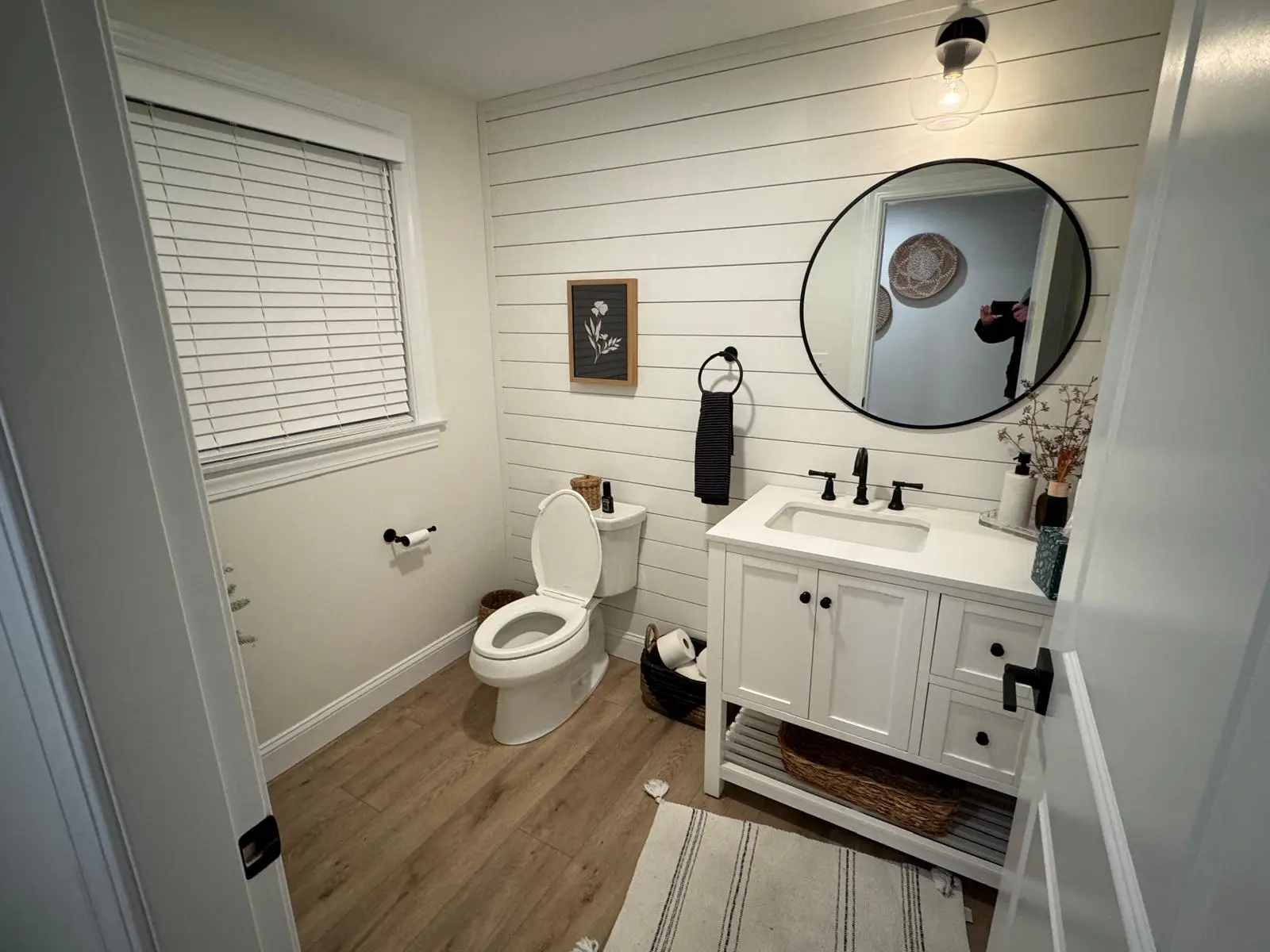
A fresh coat of paint can instantly revitalize your bathroom, making it feel cleaner, brighter, and more inviting. However, painting a bathroom comes with unique challenges due to its high humidity and the presence of numerous fixtures. Understanding the costs involved, whether you plan to tackle it yourself or hire professionals, is essential for a successful project. This guide breaks down the factors influencing bathroom painting costs, provides average cost ranges for the US market, and offers practical tips for budgeting and saving money.
Factors that affect bathroom painting costs
Several elements contribute to the overall expense of painting your bathroom.
Size of the bathroom and ceiling height
The dimensions and layout of your bathroom are primary cost drivers.
- Square Footage: The total area of walls and ceiling dictates the amount of paint and primer needed, as well as the labor time. Larger bathrooms naturally require more materials and more hours of work.
- Linear Feet of Wall Space: Bathrooms often have many interruptions like showers, tubs, vanities, mirrors, and toilets. These features require extensive cutting-in, taping, and protection, adding to labor time.
- Ceiling Height: Taller ceilings (over 8-9 feet) increase labor costs because they require ladders or scaffolding, making the job more physically demanding and time-consuming.
- Complexity: Bathrooms can be highly complex due to tiles, intricate trim work, niches, or built-in storage. The more detailed the work, the longer it takes and the more it costs.
Type of paint and finishes
The materials you choose significantly impact the final look, durability, and cost. For bathrooms, selecting the right paint is crucial due to the high moisture environment.
- Wall Paint:
- Specialized “Kitchen & Bath” Formulas: These are highly recommended. They are formulated with enhanced moisture resistance and antimicrobial additives to inhibit mold and mildew growth. They also tend to be more scrubbable. Expect to pay $35-$70 per gallon for these.
- Premium Acrylic-Latex: High-quality standard acrylic-latex paints offer better durability and washability than basic options, but may not have the same level of mold resistance as specialized formulas. Cost is typically $40-$70 per gallon.
- Ceiling Paint:
- Mold and Mildew-Resistant Ceiling Paint: Crucial for preventing fungal growth in high-humidity areas. Often these are also “Kitchen & Bath” formulations, sometimes with a specific flat or satin finish designed for ceilings. Cost is similar to wall paints: $35-$70 per gallon.
- Stain-Blocking Primer: If your bathroom ceiling or walls have existing water stains, smoke residue, or mildew, a dedicated stain-blocking primer (e.g., shellac-based or alkyd) is a must. This adds to material cost and application time but prevents bleed-through. Cost is typically $20-$50 per gallon.
- Finish (Sheen):
- Satin or Eggshell: These are the most popular and recommended finishes for bathroom walls and ceilings. They offer a subtle sheen, are durable, highly washable, and resist moisture well. They also hide minor imperfections better than higher gloss options.
- Semi-Gloss: Offers the highest durability and washability, making it excellent for resisting moisture and easy cleaning. However, its high reflectivity will highlight every imperfection on your walls and ceiling. Best for perfectly smooth surfaces.
- Matte (Specialty): While traditional flat/matte paints are porous and not recommended for bathrooms, some premium “Kitchen & Bath” paints now offer a durable, washable matte finish (e.g., Benjamin Moore Aura Bath & Spa) specifically for high-humidity areas.
- Primer: A high-quality primer is often necessary, especially when changing colors dramatically, painting over existing stains, or dealing with bare drywall. It ensures better adhesion and a more uniform topcoat.
Labor vs DIY costs
This is typically the largest cost factor.
- DIY (Do-It-Yourself):
- Costs: Primarily materials (paint, primer, painter’s tape, brushes, rollers, drop cloths, cleaning supplies, spackle, sandpaper). Your main investment is your time and effort.
- Pros: Most cost-effective in terms of cash outlay. You control the schedule.
- Cons: Can be very time-consuming due to extensive prep work around fixtures. Requires patience, attention to detail, and some skill to achieve a professional finish. Potential for mistakes or an uneven result if inexperienced.
- Professional Painters:
- Costs: Includes materials, significant labor (often 70-85% of the total), insurance, and overhead. Labor rates vary widely by region, experience, and the scope of work.
- Pros: High-quality, durable, and smooth finish; saves you considerable time and effort; usually faster completion; often includes professional-grade prep work (cleaning, patching, sanding), and thorough cleanup. They have the right tools and expertise.
- Cons: Significantly higher cost than DIY.
Average bathroom painting cost ranges
These are general estimates for painting an entire bathroom (walls and ceiling), including labor and mid-grade specialized materials in the US. DIY costs will primarily cover just the materials.
Key considerations for these ranges:
- Assumes an average level of complexity (not excessively intricate trim or extremely tall ceilings).
- Includes cleaning, patching, light sanding, priming (if needed), and two coats of specialized bathroom paint.
- Costs can fluctuate based on your geographic location, the specific painter’s rates, and the exact condition of your bathroom surfaces.
- Small Bathroom (e.g., Powder Room, up to 40-50 sq ft floor space):
- Professional: $300 – $800
- DIY Materials: $80 – $200
- Medium Bathroom (e.g., Standard Full Bath, 50-100 sq ft floor space):
- Professional: $600 – $1,500
- DIY Materials: $120 – $300
- Large Bathroom (e.g., Master Bath, 100+ sq ft floor space, or complex layout):
- Professional: $1,200 – $2,500+
- DIY Materials: $200 – $500+
Breakdown of Potential Costs (Professional):
- Labor: $40 – $100+ per hour, or sometimes quoted per day.
- Paint & Primer: $50 – $150 for an average bathroom.
- Prep Work (Cleaning, Taping, Minor Repairs): This is a significant portion of labor and can be 20-40% of the total cost due to the detail required around fixtures.
- Fixture Removal/Taping: Professional painters will carefully tape off or, in some cases, remove light fixtures, mirrors, and cabinet hardware, adding to the labor time.
Tips for saving money on bathroom painting
While painting a bathroom can be a significant investment, there are ways to manage and reduce costs.
- Get Multiple Detailed Quotes: Always solicit at least three quotes from professional painters. Ensure their bids are itemized, specifying what’s included (e.g., prep, primer, number of coats, paint type, cleanup). This helps you compare accurately.
- Do the Prep Work Yourself (if hiring): This is where you can save a considerable amount on professional labor. Thoroughly clean and degrease all surfaces, patch minor holes, and remove existing hardware (switch plates, outlet covers, towel bars, etc.). Discuss with your painter what prep tasks you can handle.
- Purchase Your Own Paint (Sometimes): While painters often get contractor discounts, some may allow you to purchase the paint yourself. This gives you direct control over the brand and quality, but always confirm with your painter first.
- Choose a Standard Color: Custom color matching or very specific, hard-to-find hues might incur additional costs. Standard whites, off-whites, and popular grays are usually more economical.
- Invest in Quality Materials (if DIY): If undertaking a DIY project, don’t skimp on specialized bathroom paint, a good primer, and quality brushes/rollers. High-quality materials make the job easier, lead to a better finish, and offer superior durability against moisture, potentially saving you from frequent repaints.
- Clear the Bathroom Completely: The less a professional painter has to move, cover, or protect, the faster and potentially cheaper the job will be. Remove all items from countertops, shower caddies, and shelves.
- Address Moisture Issues First: Before painting, ensure any underlying moisture problems (leaky plumbing, poor ventilation) are resolved. Painting over these issues is a temporary fix and the paint will fail prematurely.
- Consider Off-Peak Seasons: In some regions, painters might offer slightly lower rates during their slower seasons (e.g., late fall or winter).
By carefully planning, selecting the right specialized materials, and making smart choices about labor, you can achieve a beautifully painted bathroom that stands up to its unique environment and fits within your budget.
Ready to transform your bathroom with a fresh, protective coat of paint? Use these insights to plan your project and enjoy a revitalized, healthy space!