
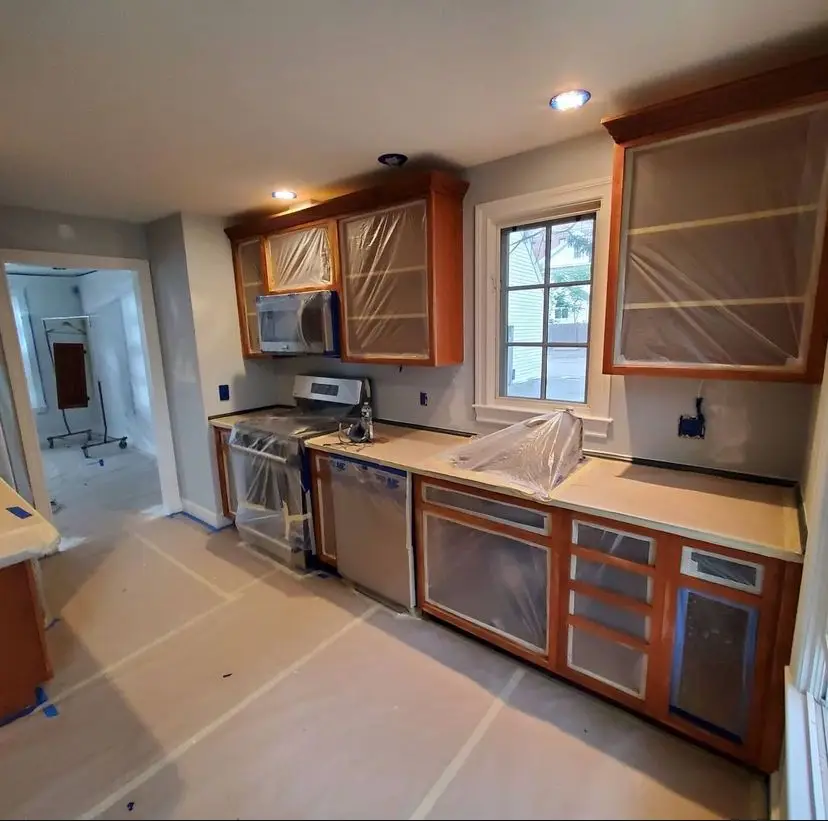
A fresh coat of paint on your kitchen walls and ceiling can dramatically refresh the entire room, making it feel brighter, cleaner, and more inviting. Beyond aesthetics, using the right type of paint in this high-traffic, high-moisture area is crucial for durability and longevity. Whether you’re planning a DIY project or considering hiring professionals, understanding the costs involved is the first step to a successful kitchen update. This guide will break down the various factors that influence the price of painting your kitchen walls and ceiling, provide average cost ranges, and offer tips to help you save money.
Factors that influence kitchen painting costs
Several key elements contribute to the overall expense when painting your kitchen’s walls and ceiling.
Size of kitchen and ceiling height
The dimensions of your kitchen are a primary determinant of cost.
- Square Footage: The total square footage of your walls and ceiling dictates the amount of paint and primer needed, as well as the labor time required. Larger kitchens naturally require more materials and more hours of work.
- Linear Feet of Wall Space: For walls, the perimeter of the kitchen often correlates with the amount of cutting-in and detailed work around cabinets, windows, and doors.
- Ceiling Height: Taller ceilings (over 8-9 feet) increase labor costs due to the need for ladders or scaffolding, making the job more physically demanding and time-consuming.
- Complexity: Kitchens often have more architectural features than other rooms, such as multiple doorways, windows, backsplashes, and open shelving. These features require more precise cutting-in, taping, and protection, adding to labor time.
Paint type and quality
The materials you choose significantly impact the final look, durability, and cost.
- Wall Paint:
- Standard Acrylic-Latex: Most common for interior walls, relatively affordable ($25-$40 per gallon). Good for general areas, but kitchens benefit from enhanced durability.
- Washable/Scrubbable Formulas: Essential for kitchens. Look for paints designed to withstand frequent cleaning without losing color or damaging the finish. These are often acrylic-urethane blends and cost more ($40-$70 per gallon).
- Low-VOC/Zero-VOC: A healthier choice for an area where food is prepared. These paints have fewer volatile organic compounds, reducing fumes during and after painting.
- Ceiling Paint:
- Kitchen & Bath Specific Paints: These are highly recommended for kitchen ceilings. They are formulated with enhanced moisture, mildew, and stain resistance, crucial for combating steam and cooking fumes. ($35-$70 per gallon).
- Stain-Blocking Primer: If your ceiling has existing water stains, smoke, or grease residue, a dedicated stain-blocking primer (e.g., shellac-based or alkyd) is a must. This adds to material cost and application time but prevents bleed-through. ($20-$50 per gallon).
- Finish (Sheen):
- Walls: Satin or Eggshell are the most popular choices for kitchen walls. They offer a subtle sheen, are durable, and are easy to clean. Semi-gloss is even more durable and washable but can highlight wall imperfections.
- Ceiling: Satin is often the best choice for kitchen ceilings due to its balance of durability, washability, and ability to hide minor imperfections. While flat paints hide imperfections best, traditional flat is not recommended for kitchens due to poor washability, unless it’s a specialty “kitchen & bath” flat formula.
- Premium vs. Standard: Higher quality paints offer better coverage (often fewer coats needed), superior durability, and a more professional finish, potentially saving money and effort in the long run.
Labor costs vs DIY
This is usually the biggest cost differentiator for any painting project.
- DIY (Do-It-Yourself):
- Costs: Primarily materials (paint, primer, painter’s tape, brushes, rollers, drop cloths, cleaning supplies, spackle, sandpaper). Your investment is mainly your time and effort.
- Pros: Most cost-effective in terms of cash outlay. You control the schedule.
- Cons: Very time-consuming (can take several days for cleaning, prep, multiple coats, and drying). Requires meticulous preparation, patience, and some skill to achieve a professional finish. Potential for mistakes or an uneven result if inexperienced.
- Professional Painters:
- Costs: Includes materials, significant labor (often the largest component), insurance, and overhead. Labor rates vary widely by region, experience, and the scope of work.
- Pros: High-quality, durable, and smooth finish; saves you considerable time and effort; usually faster completion; often includes professional-grade prep work (cleaning, patching, sanding), and thorough cleanup. They have the right tools and expertise.
- Cons: Significantly higher cost than DIY.
Average cost range for kitchen walls & ceiling
These are general estimates for painting kitchen walls and ceilings, including labor and mid-grade materials. DIY costs will primarily cover just the materials.
Key considerations for these ranges:
- Assumes a kitchen of average complexity (not excessively intricate trim or extremely tall ceilings).
- Includes cleaning, patching, light sanding, priming (if needed), and two coats of paint.
- Costs can fluctuate based on your geographic location, the specific painter, and the exact condition of your kitchen surfaces.
- Small Kitchen (e.g., up to 75-100 sq ft floor space, limited wall space, standard 8-9 ft ceiling):
- Professional: $400 – $1,000
- DIY Materials: $100 – $250
- Medium Kitchen (e.g., 100-150 sq ft floor space, standard walls & ceiling):
- Professional: $800 – $2,000
- DIY Materials: $150 – $400
- Large Kitchen (e.g., 150+ sq ft floor space, open concept, taller ceilings, or complex layout):
- Professional: $1,500 – $3,500+
- DIY Materials: $250 – $600+
Breakdown of Potential Costs (Professional):
- Walls: Often quoted by square footage or linear foot, typically ranging from $1.50 to $4.00 per square foot of wall space.
- Ceiling: Can be quoted by square footage, often slightly higher than walls due to overhead work, ranging from $1.75 to $5.00+ per square foot.
- Prep Work (Cleaning, Taping, Minor Repairs): This is a significant portion of labor and can be 20-40% of the total cost.
- Primer: If needed, adds material cost and an extra labor step.
Tips for budgeting and saving money
Painting your kitchen can be an investment, but there are ways to manage costs effectively.
- Get Multiple Detailed Quotes: Always contact at least three professional painters. Ensure their quotes are itemized, specifying what’s included (e.g., prep, primer, number of coats, paint type, cleanup, warranty). This helps you compare “apples to apples.”
- Do the Prep Work Yourself (if hiring): This is where you can save a significant amount on professional labor. Thoroughly clean and degrease all surfaces, patch minor holes, and remove existing hardware (switch plates, outlet covers). Some homeowners even do the taping. Discuss with your painter what prep you can handle.
- Purchase Your Own Paint (Sometimes): While painters often get discounts, some may allow you to purchase the paint yourself. This gives you direct control over the brand and quality, but confirm with your painter first.
- Choose a Standard Color: Custom color matching or very specific, hard-to-find hues might incur additional costs. Standard whites, off-whites, and popular grays are usually more economical.
- Invest in Quality Materials (if DIY): If doing it yourself, don’t skimp on paint, primer, brushes, and rollers. High-quality tools make the job easier, lead to a better finish, and last longer. A good paint means better coverage and durability, potentially saving you from frequent touch-ups.
- Clear the Kitchen Completely: The less a professional painter has to move, cover, or protect, the faster and potentially cheaper the job will be. Remove all items from countertops, clear tables, and move small appliances.
- Consider Off-Peak Seasons: In some areas, painters might offer slightly lower rates during their slower seasons (e.g., winter or early spring).
- Address Issues Promptly: Don’t let water damage or mildew issues linger. Fixing them before they worsen will prevent more extensive and costly repairs down the line.
By carefully planning, selecting appropriate materials, and making smart choices about labor, you can achieve a beautifully painted kitchen that fits within your budget.
Ready to transform your kitchen with a fresh coat of paint? Use these insights to plan your project and enjoy a revitalized space!