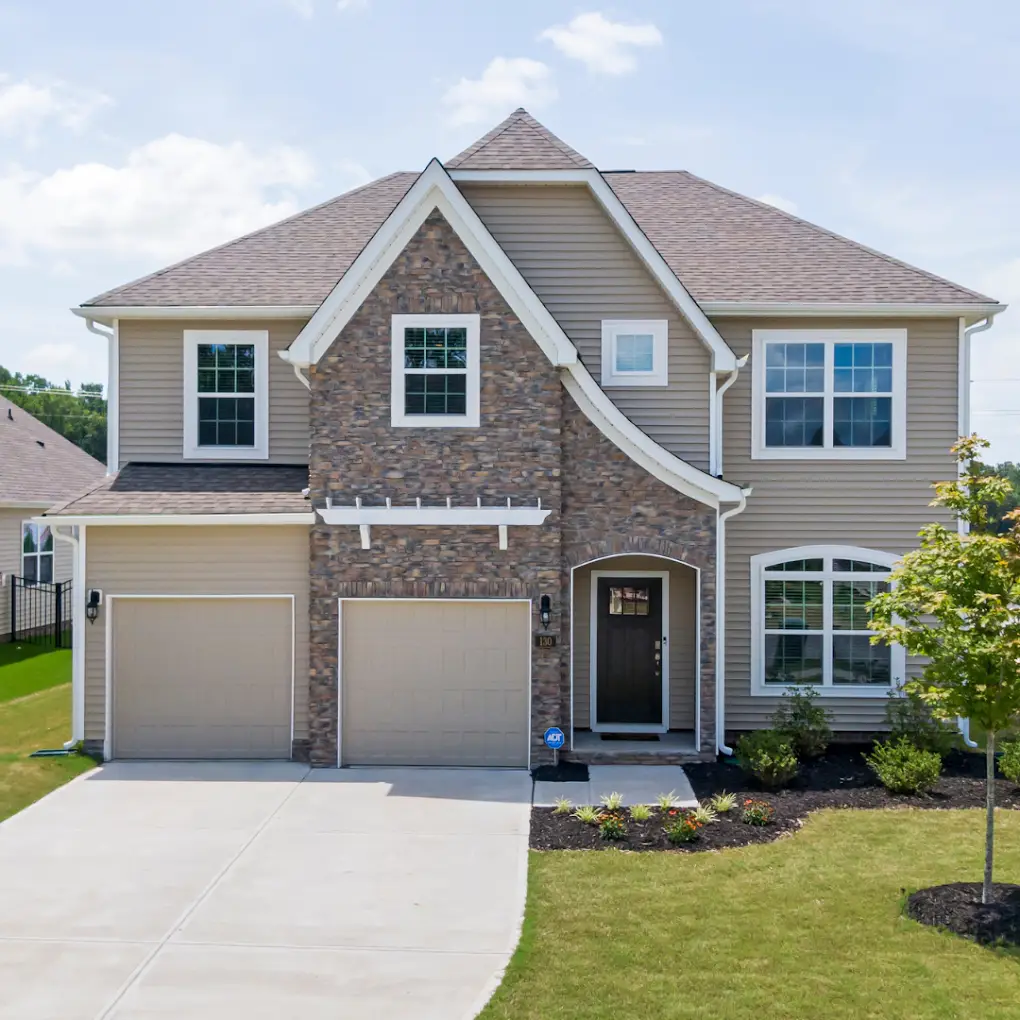
Your driveway is often the first impression visitors have of your home. Beyond mere functionality, a well-maintained and beautifully painted driveway can significantly enhance your home’s curb appeal. Driveway paints and coatings offer a durable and stylish way to rejuvenate an old, stained, or faded surface, providing protection and a fresh look.
Best paint types: epoxy-based, concrete stains, drive-seal coatings
Choosing the right type of coating is paramount for driveway longevity and appearance:
- Epoxy-Based Coatings:
- Pros: Extremely durable, resistant to hot tire pickup, oil stains, chemicals, and abrasion. Creates a very hard, often glossy or satin, finish. Can come in kits with decorative flakes for a garage-floor-like appearance.
- Cons: More expensive, requires very thorough surface preparation, sensitive to moisture vapor transmission (can bubble if moisture comes up from below), complex application process (often two-part mixes).
- Best For: Driveways requiring maximum durability and a very uniform, clean look.
- Concrete Stains (Water-Based or Acid-Based):
- Pros: Penetrates the concrete rather than sitting on top, creating a translucent, natural-looking finish that highlights the concrete’s variations. Less prone to peeling or chipping than paint. Available in a range of earth tones.
- Cons: Does not hide imperfections, requires well-prepped concrete. Not as opaque or uniform as paint.
- Best For: Driveways where you want to enhance the natural look of concrete with a subtle color tint.
- Driveway Sealers/Coatings (Acrylic or Asphalt-Based):
- Pros: Often formulated specifically for driveways, offering good adhesion and flexibility. Can be very durable and resistant to common driveway issues like hot tire marks. Relatively easy to apply.
- Cons: May not offer the same level of chemical resistance as epoxy. Asphalt-based sealers are typically black and for asphalt driveways; acrylic versions are for concrete and come in various colors.
- Best For: General rejuvenation, protection, and adding a solid color to concrete or asphalt driveways.
Trending driveway colors: gray, beige, taupe, charcoal
Modern driveway color trends lean towards sophisticated neutrals that complement a wide range of home exteriors:
- Gray: A timeless and versatile choice. Ranging from light silver-gray to medium slate, grays offer a clean, contemporary look that hides dirt well.
- Beige/Tan: A warm, inviting neutral that blends seamlessly with natural landscapes and complements homes with brick, stone, or warm-toned siding.
- Taupe: A sophisticated blend of gray and beige, offering a nuanced neutral that’s both modern and classic.
- Charcoal/Dark Gray: A bold, dramatic choice that provides excellent contrast for lighter homes and hides oil stains effectively. It offers a sleek, modern aesthetic.
- Black (for asphalt): The traditional choice for asphalt driveways, offering a clean, uniform look and protecting the asphalt.
Prep steps: clean, repair, tape
Proper preparation is paramount for the longevity of your driveway coating.
- Clean Thoroughly:
- Remove Debris: Sweep or blow off loose dirt, leaves, and debris.
- Degrease: Treat any oil or grease stains with a commercial degreaser or a strong detergent. Scrub thoroughly.
- Pressure Wash: Pressure wash the entire driveway using a concrete cleaner. Ensure all dirt, mildew, efflorescence (white powdery substance), and loose old coatings are removed. For asphalt, use a lower PSI.
- Rinse & Dry: Rinse completely until no suds or residue remain. Allow the driveway to dry completely for at least 24-48 hours. Any trapped moisture can cause coating failure.
- Repair Cracks & Holes: Fill any cracks or holes with appropriate concrete crack filler or patching compound. For asphalt, use asphalt crack filler. Allow to cure fully.
- Tape Off: Use painter’s tape and plastic sheeting to protect adjacent areas (garage doors, house foundation, landscaping edges) from splashes and overspray.
Painting process & sealant
- Apply Primer (if needed): Some coatings or certain concrete conditions may require a dedicated primer for optimal adhesion. Check product instructions.
- Apply Coating:
- Start Edges: Use a brush for cutting in along the taped edges.
- Roll Large Areas: Use a long-handled roller with a suitable nap (often 1/2 to 3/4 inch, depending on texture) to apply the coating evenly. Work in small sections, maintaining a wet edge to avoid lap marks.
- Two Thin Coats: Always apply two thin coats rather than one thick coat for better durability and a more uniform finish. Allow adequate drying time between coats per manufacturer instructions.
- Sealant (Optional but Recommended): For added protection and longevity, consider applying a clear, penetrating concrete or asphalt sealer over the cured paint/stain. This adds an extra layer of defense against UV, moisture, and stains.
Maintenance schedule & recoat tips
- Regular Cleaning: Periodically clean your driveway with a mild detergent and rinse thoroughly to remove dirt and grime buildup.
- Spot Repair: Address any small chips or wear spots promptly to prevent them from spreading.
- Recoating:
- Epoxy: Generally lasts 5-10+ years before needing recoating, depending on traffic and exposure.
- Acrylic Coatings/Stains: Typically require recoating every 2-5 years, depending on the product and conditions.
- Asphalt Sealers: Usually recoated every 2-3 years.
- Prep for Recoat: Always clean the driveway thoroughly before recoating. For paints, light sanding may be required to scuff the surface for better adhesion.
Mass Pro Painting offers expert driveway painting and coating services in Massachusetts. Our team specializes in professional surface preparation and application techniques to ensure your driveway is not only beautiful but also durable enough to withstand the elements and heavy use.