
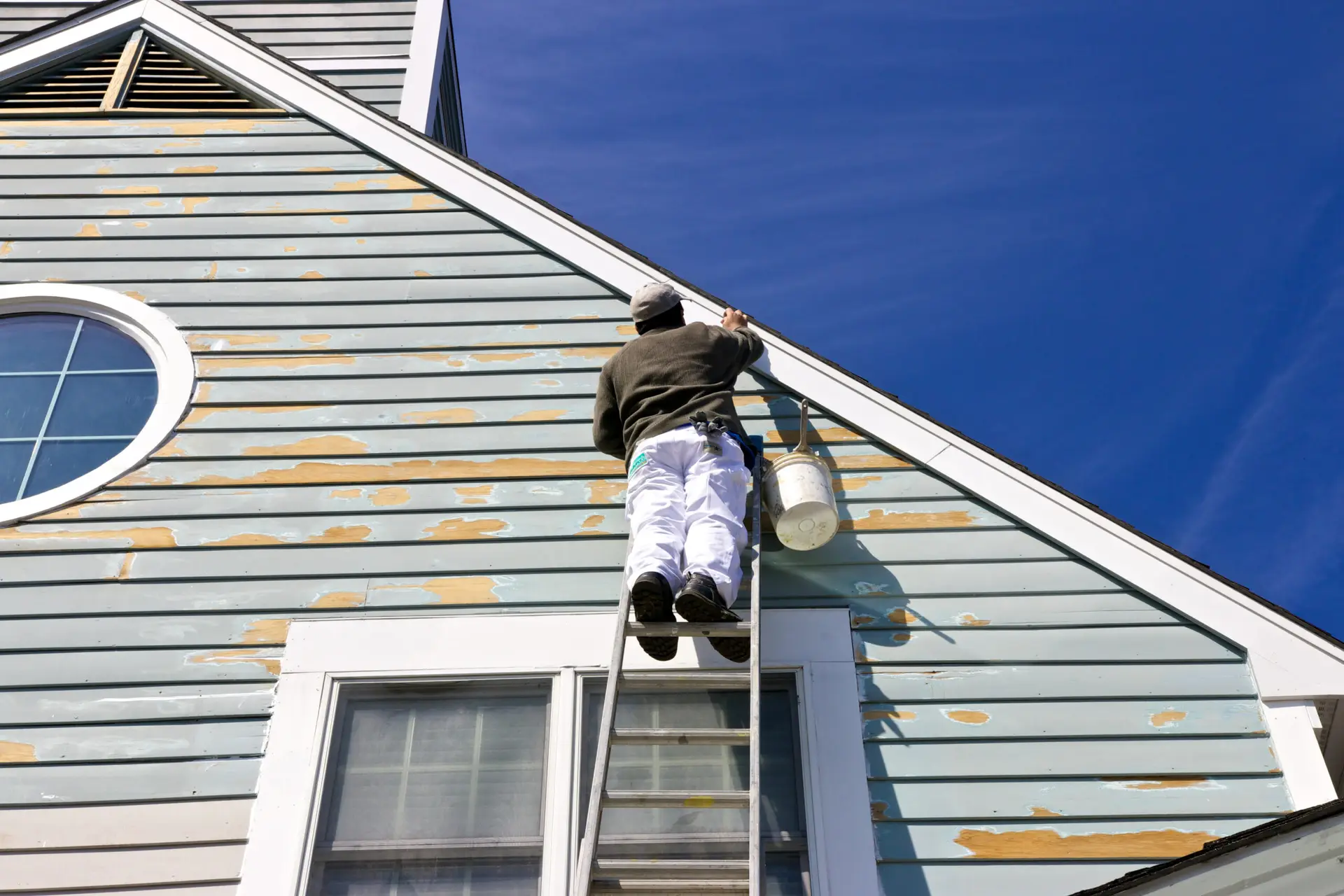
Repainting your home’s exterior is one of the most significant maintenance projects a homeowner undertakes. The cost is a direct reflection of the investment in long-term protection, professional expertise, and the quality of materials used. While cost estimates can vary widely based on location and home features, understanding the factors that influence the final price is key to budgeting effectively.
Average Painting Costs by Home Size
Pricing for professional exterior painting is generally determined by the total surface area and the complexity of the structure. The ranges provided below include all labor, quality paint, and standard preparation work.
1,000–2,000 sq. ft.: $2,500–$4,000
This range typically covers smaller homes, like single-story ranch houses, townhomes, or smaller bungalows.
- Complexity: Low. These homes often require less complex ladder setups, minimal or no scaffolding, and fewer specialized materials, keeping labor costs efficient.
- Timeframe: Often completed within $3$ to $5$ days, weather permitting.
2,000–3,000 sq. ft.: $4,000–$6,500
This is the average cost range for a standard two-story American family home.
- Complexity: Moderate. The price increases due to the height and the resulting need for specialized equipment (higher ladders, possibly lift rental), safety precautions, and slower work procedures when dealing with second stories and complex gables.
- Timeframe: Typically requires $5$ to $7$ days, with more time allocated for setup and cleanup.
What Impacts the Price
The square footage of the home is only one piece of the puzzle. Several crucial variables determine whether your quote falls on the low or high end of the scale.
Prep Work, Paint Quality, and Labor Rates
These three elements account for the majority of the cost of any professional paint job.
- Prep Work (The biggest variable): Up to $75\%$ of the labor cost is dedicated to preparation. This includes power washing, scraping and sanding loose paint, filling holes and cracks with caulk or putty, and masking windows and fixtures. Homes with significant existing paint failure or rotten wood will require extensive carpentry and stripping, dramatically increasing the total cost.
- Paint Quality: Premium $100\%$ acrylic latex paints cost two to three times more per gallon than builder-grade paints. While they are more expensive upfront, they offer superior UV resistance, adhesion, and flexibility, potentially extending the lifespan of your paint job by several years, making them a worthwhile investment.
- Labor Rates: The regional cost of living and local market demand directly influence the hourly rate of professional painters. Labor in major metropolitan areas will naturally be higher than in rural or suburban markets.
Number of Stories and Accessibility
The higher the work, the higher the price.
- Multi-Story Premium: Two- and three-story homes cost more because they introduce height and accessibility challenges. The safety risks, increased time spent climbing and moving ladders/scaffolding, and the need for specialized equipment significantly boost the labor hours required.
- Architectural Complexity: Homes with detailed trim work (like Victorian or craftsman styles), multiple gables, decorative molding, or numerous window sashes require painstaking brushwork and extra masking time compared to simple, flat ranch styles.
Interior vs. Exterior Painting Costs
While both projects involve paint and brushes, the chemistry, process, and pricing structures are distinctly different.
Differences in Materials and Process
| Feature | Exterior Painting | Interior Painting |
| Primary Material | $100\%$ Acrylic Latex (High-solids, UV/Weather-resistant) | Low-VOC Acrylic Latex (Durable, scrub-resistant) |
| Primary Process | Power washing, scraping, extensive caulking, priming bare wood | Taping, drop cloths, furniture movement, patching drywall |
| Project Focus | Protection against moisture, UV rays, and temperature changes | Aesthetics, air quality (low-VOC), and durability against wear |
Timeframes for Each Project Type
- Exterior Timeframes: Highly dependent on the weather, requiring dry, non-humid conditions. A full exterior can take $3$ to $7$ days, including crucial overnight drying and curing periods between coats.
- Interior Timeframes: Much more predictable, as the environment is controlled. A two- to three-room project can often be completed in $2$ to $3$ days, though moving furniture and protecting flooring adds to the preparation time.
Tips to Save Money
While cutting corners on preparation or materials is never recommended, you can strategically manage your project to reduce overall costs.
Combine Rooms or Surfaces in One Job
If you are planning to paint multiple areas (e.g., three interior rooms, or the whole exterior plus the deck), getting them done simultaneously reduces the overhead costs for the contractor. They save time on travel, multiple setup/cleanup cycles, and can purchase materials in bulk, savings that are often passed on to the homeowner.
Choose Lighter Colors to Reduce Coats
Dramatic color changes—especially painting light surfaces with deep reds, vibrant blues, or dark grays—often require a tinted primer and three or more topcoats to achieve full, uniform coverage. Lighter colors (neutrals, whites, and pastels) cover existing colors much more easily, typically requiring only the standard two coats, which saves significantly on material and labor costs.
FAQs
Is it cheaper to repaint or pressure wash first?
Pressure washing is a mandatory prerequisite for a professional exterior repaint; it is not an alternative or an option to skip. A professional quality pressure wash removes dirt, chalky residue, and loose material, ensuring the new paint adheres correctly. Attempting to paint over a dirty or chalky surface will lead to premature paint failure. While you could perform the pressure washing yourself to save a few hundred dollars on labor, a professional will ensure it is done correctly without damaging the substrate.
Do painters charge by square foot or room?
Exterior painters almost universally charge by the total surface square footage of the areas being covered (walls, gables, eaves, trim), as this directly correlates to material usage and labor time. Interior painters typically charge by the room for simple jobs, but they base their quote on the actual wall square footage when calculating materials for large or whole-house projects. Always request a detailed quote that breaks down the cost of labor versus materials.
Secure a Precise Quote, Not Just an Estimate.
Understanding the factors that influence painting costs allows you to make informed decisions about your investment. At Mass Pro Painting, we provide transparent, detailed quotes that account for every aspect of your home’s unique structure and condition. We ensure the investment you make today results in lasting beauty and protection.
Contact Mass Pro Painting now for your free, itemized quote and a professional consultation.