
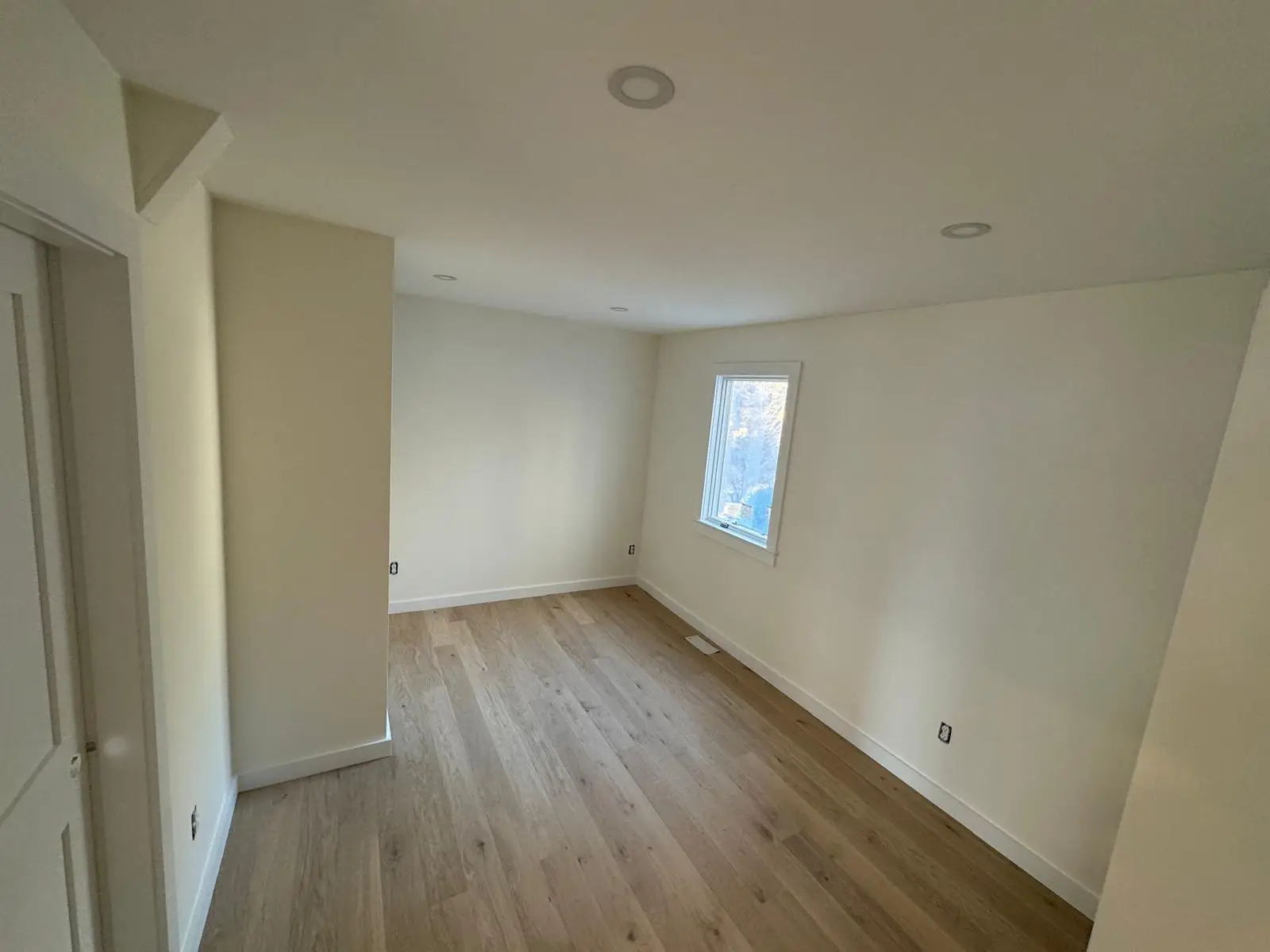
Painting a bedroom is one of the most effective ways to refresh its look and feel without a major renovation. However, understanding the potential costs involved is crucial for budgeting and planning. The price can vary significantly depending on whether you opt for a DIY approach or hire professionals, as well as several other factors related to the room itself and the materials chosen. This guide will break down the various elements that contribute to the total cost of painting a bedroom, providing you with a clearer picture of what to expect.
Factors that influence bedroom painting costs
The final bill for painting a bedroom isn’t just about the paint itself. Several key factors play a significant role.
Room size and wall height
Naturally, larger rooms with more wall surface area and higher ceilings will require more paint and more labor hours.
- Square Footage: Professional painters typically base their quotes on the total square footage of the walls and ceiling to be painted. A larger room means more surface to cover, directly increasing material and labor costs.
- Ceiling Height: Standard 8-foot ceilings are less expensive to paint than 10-foot or higher ceilings, which might require taller ladders, scaffolding, or specialized equipment, adding to labor time and complexity.
- Architectural Details: Rooms with intricate molding, wainscoting, or other architectural features will also increase labor costs due to the precision required for cutting in and detail work.
Paint quality and finishes
The type and quality of paint you choose can significantly impact your budget.
- Paint Grade:
- Economy/Contractor-Grade: Less expensive ($20-$30 per gallon) but often offers lower coverage, durability, and a less rich finish, potentially requiring more coats.
- Mid-Grade: A good balance of quality and price ($30-$50 per gallon), offering better coverage and durability than economy paints.
- Premium/High-End: More expensive ($50-$80+ per gallon) but provides superior coverage, durability, washability, and a richer, more vibrant color. Often requires fewer coats.
- Finish (Sheen):
- Flat/Matte: Lowest sheen, best at hiding imperfections, but less durable and harder to clean. Often used for ceilings.
- Eggshell/Satin: Most popular for walls, offering a slight sheen, good durability, and easier cleanability. Mid-range cost.
- Semi-Gloss/High-Gloss: Highest sheen, very durable, and easy to clean, making them ideal for trim, doors, and high-traffic areas. Can highlight imperfections and are typically the most expensive per gallon.
- Specialty Paints: Paints with features like low-VOC (volatile organic compounds), mold resistance, or paint-and-primer-in-one can also increase costs.
Labor vs DIY costs
This is often the biggest cost differentiator.
- DIY (Do-It-Yourself):
- Costs: Primarily materials (paint, primer, painter’s tape, brushes, rollers, drop cloths, cleaning supplies). You pay for your time and effort.
- Pros: Most budget-friendly in terms of direct cash outlay.
- Cons: Requires time, effort, skill, and patience. Potential for mistakes, messy results, or an unfinished look if not done carefully.
- Professional Painters:
- Costs: Includes materials, labor (which is often the largest component), insurance, and overhead.
- Pros: Professional finish, saves you time and effort, usually faster completion, and often includes surface prep (cleaning, minor repairs, caulking) and cleanup.
- Cons: Significantly higher cost than DIY.
- Factors influencing labor costs: Geographic location (painters in high cost-of-living areas charge more), experience and reputation of the painters, complexity of the job, and prep work required.
Average cost ranges for bedroom painting
While prices can vary widely, here’s a general idea of what you might expect for professional painting services in a typical bedroom. These estimates usually include two coats of mid-grade paint and standard prep work (taping, minor patching).
- Small Bedroom (e.g., 10×10 feet, 8 ft ceilings):
- Professional: $300 – $700
- DIY Materials: $50 – $150
- Medium Bedroom (e.g., 12×12 to 12×14 feet, 8-9 ft ceilings):
- Professional: $500 – $1,200
- DIY Materials: $80 – $200
- Large Bedroom or Master Suite (e.g., 15×20 feet, 9 ft+ ceilings, or complex layout):
- Professional: $800 – $2,000+
- DIY Materials: $100 – $300+
Per Square Foot / Per Hour Rates:
- Professional painters might charge anywhere from $1.50 to $4.00 per square foot of wall and ceiling space, or $25 to $75 per hour per painter.
- These ranges are highly dependent on the factors mentioned above. Always get a detailed, written quote.
Additional Cost Considerations:
- Wall Repair: Extensive patching, drywall repair, or texture matching will add to the cost.
- Accent Walls: Painting an accent wall a different color might incur a small additional charge due to extra taping and color changes.
- Trim and Doors: If you’re painting the trim and doors, factor in additional material and labor costs. Some quotes include this, others separate it.
- Furniture Moving: Some painters charge extra for moving heavy furniture.
Tips to save on bedroom painting costs
Even if you hire professionals, there are ways to keep your budget in check.
- Do Your Own Prep Work: This is where you can save significantly on labor costs. Move all furniture out of the room or to the center, remove switch plates and outlet covers, and clean the walls. For DIY, this is a non-negotiable step.
- Get Multiple Quotes: Always solicit at least three quotes from different professional painters. Compare not just the total price, but also what’s included in the service (e.g., number of coats, prep work, cleanup, warranty).
- Consider Mid-Grade Paint: For most bedrooms, a good mid-grade paint offers excellent value, durability, and a beautiful finish without the premium price tag.
- Buy Paint During Sales: Paint retailers frequently offer sales and discounts. If you have time, plan your project around these sales to save on materials.
- Limit Color Changes: Sticking to one or two colors for the entire room (walls and ceiling) can reduce the complexity and therefore the cost, especially for professional jobs.
- DIY Touch-Ups and Small Areas: If you’re comfortable, you can tackle small touch-ups or even paint the trim yourself to reduce the professional scope.
- Clear the Room Completely: The less furniture and personal items a painter has to move, the faster (and potentially cheaper) the job will be.
By understanding these factors and employing smart strategies, you can effectively budget for your bedroom painting project and achieve a beautifully refreshed space.