
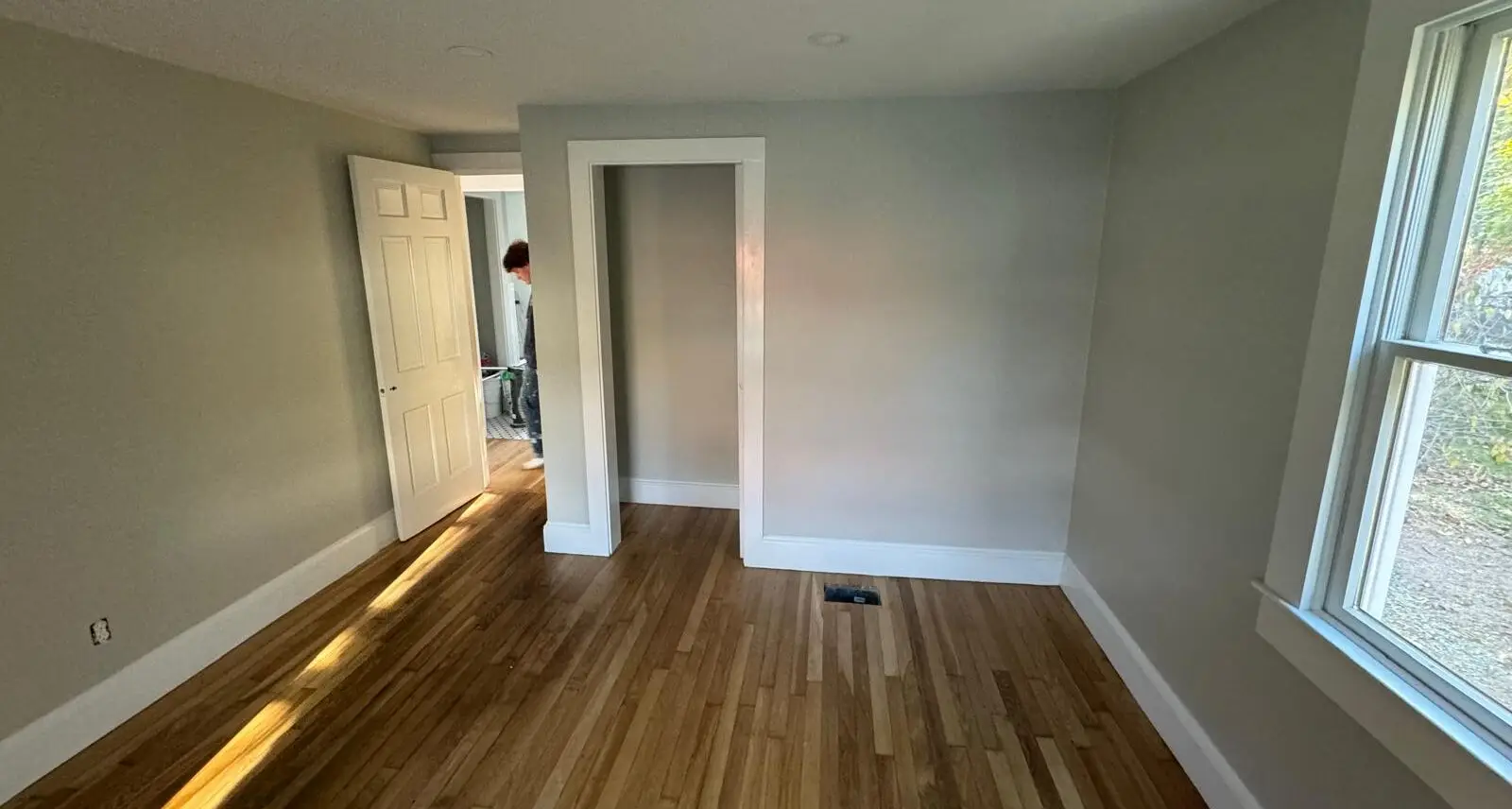
The strong, persistent odor that lingers after using spray paint is a common byproduct of quick-drying solvent-based coatings. While the smell is unpleasant, eliminating it is crucial not only for comfort but also for safety, as these fumes contain volatile organic compounds (VOCs). The key to removing the odor is to expedite the paint’s curing process through aggressive ventilation and material absorption.
Why Spray Paint Smell Lingers
The distinct, sharp aroma of paint is not the paint itself, but rather the chemicals used to make the liquid spreadable and quick-drying.
VOCs and Solvent Evaporation
The smell is caused by Volatile Organic Compounds (VOCs) and other solvents rapidly evaporating from the painted surface and into the air. All paints emit VOCs as they dry, but aerosol spray paints—especially solvent-based lacquers and enamels—often contain a higher concentration of potent solvents to ensure fine atomization and rapid film formation. This rapid evaporation releases a large burst of strong-smelling chemicals, which can saturate the air and surrounding materials quickly.
Poor Ventilation During Painting
If a room lacks proper airflow during and immediately after spraying, the VOCs accumulate. Instead of being carried outside, the chemical vapors become trapped, settling into porous materials within the room, such as:
- Carpeting and rugs
- Upholstered furniture and curtains
- Unfinished wood surfaces
- Drywall (if unpainted or newly installed)
Once these materials absorb the compounds, they become secondary sources of the odor, releasing the smell slowly over several days or weeks, long after the painted surface appears dry.
Fast Ways to Reduce Paint Odor
The fastest and most effective way to eliminate paint odors involves a two-pronged attack: clearing the air (ventilation) and capturing the remaining airborne chemicals (absorption).
Ventilation and Airflow Strategies
Aggressive air exchange is your most powerful tool. The goal is to create “negative pressure” or a powerful cross-breeze.
- Open Everything: Open all windows and interior doors in the work area to maximize air access.
- Exhaust Fans: Place box fans directly in the windows, facing outward (exhausting). This sucks the stale, VOC-laden air out of the room.
- Intake Fans (Cross-Breeze): In a separate window or doorway, position another fan facing inward (intake). This pulls fresh, clean air from outside, replacing the exhausted air.
- Circulation: If the odor is throughout the house, use ceiling fans and stand-up oscillating fans to constantly move air toward the ventilated areas. Continue this high-speed air exchange for at least 48 to 72 hours, even if the odor seems gone.
Activated Charcoal and Baking Soda
Passive absorption materials can capture VOCs that the ventilation misses.
- Activated Charcoal: This is the most effective commercial absorber. Place large bowls or shallow trays filled with activated charcoal (available at pet supply stores or hardware stores, often sold for fish tank filters) throughout the affected room. The charcoal’s highly porous structure traps gas molecules.
- Baking Soda: Standard household baking soda also absorbs odors. Sprinkle a generous amount onto carpets and upholstery, let it sit for 24 hours, and then vacuum thoroughly. You can also place open boxes or bowls of baking soda on shelves and floors.
Air Purifiers with Carbon Filters
Standard air purifiers with only HEPA filters are ineffective against paint odors, as HEPA filters only capture solid particulates (dust, pollen). You need a purifier with an integrated activated carbon filter (sometimes called a charcoal or chemical filter). This specialized layer is designed to adsorb (trap) gas molecules, pulling VOCs directly out of the circulating air. Run the purifier on its highest setting until the odor is completely gone.
What Not to Do
Some common odor-masking tactics are ineffective or, in some cases, can make the underlying problem worse.
Masking Smells with Fragrances
Do not use strong air fresheners, scented candles, diffusers, or potpourri to cover up the paint smell. These products simply mask the odor by introducing different chemical compounds into the air. The harmful VOCs remain present, and the resulting mixture of paint fumes and strong fragrance can often create a more unpleasant, synthetic, and headache-inducing scent that is harder to eliminate.
Sealing Rooms Too Soon
A painted surface may feel dry to the touch in hours, but the curing process—the time required for all solvents and VOCs to evaporate—takes days, or sometimes weeks. Closing the windows, turning off the fans, and closing the door too soon will trap the remaining VOCs inside the room. This stops the necessary air exchange, allowing the fumes to saturate the carpets and drywall, leading to a lingering odor that is significantly harder to address later.
Preventing Paint Smell in Future Projects
The best defense against a lingering spray paint odor is proactive prevention during the project planning and execution stages.
Low-VOC Paint Options
Whenever possible, especially for large interior areas, choose paints specifically labeled as “Low-VOC” or “Zero-VOC.”
- Water-Based Alternatives: For large projects like spraying kitchen cabinets or interior trim, look for specialized water-based, low-VOC acrylic or latex enamels designed for fine finish applications. While true zero-VOC aerosol spray paint is rare, choosing water-based formulas over traditional oil-based or lacquer-based aerosols will drastically reduce the solvent odor.
- Aerosol Choice: If using aerosol cans, look for products that specify “low-odor” on the label.
Professional Spray Methods and Containment
If hiring professionals for a large-scale project, ask about their mitigation strategies:
- Negative Air Machines: Professionals often use industrial air scrubbers or negative air machines that are positioned inside the work area. These powerful units constantly filter the air and vent it directly outside through specialized ducting, creating a safe, negative pressure environment that prevents odor from migrating to other parts of the house.
- Tack Cloth and Wet Mopping: Before and after painting, cleaning the area with tack cloths and wet mopping minimizes airborne dust, which can carry odor particles and compromise the paint finish.
FAQs
How long does spray paint smell last indoors?
With adequate ventilation (fans running constantly), the intense, acute odor from spray paint will typically dissipate within 1 to 3 days. A faint, lingering odor may be detectable for 1 to 4 weeks as the paint film fully cures, particularly in high-humidity environments or if the paint was solvent-based.
Is spray paint odor harmful?
Yes, the odors are generally harmful at high concentrations. The primary chemicals (VOCs) can cause short-term health effects, including:
- Headaches and dizziness
- Nausea
- Irritation of the eyes, nose, and throat
- Difficulty breathing
Individuals with respiratory conditions (like asthma) or pregnant women should avoid exposure until the odor has been fully ventilated. Always wear a properly fitted respirator with organic vapor cartridges while painting.
Can painters prevent odor buildup?
Yes. Professional painters prevent odor buildup by making ventilation the primary focus of the job. They use powerful air moving equipment to maintain a constant, directional flow of air, usually moving from a clean source (an inlet window) across the painted surface and directly out of the building (an exhaust window), effectively preventing VOCs from becoming trapped inside the structure.
Don’t let lingering fumes ruin your newly painted space.
Visit our store today for industrial-strength activated charcoal, high-efficiency air scrubbers, and the latest zero-VOC interior paints to keep your home smelling fresh!