
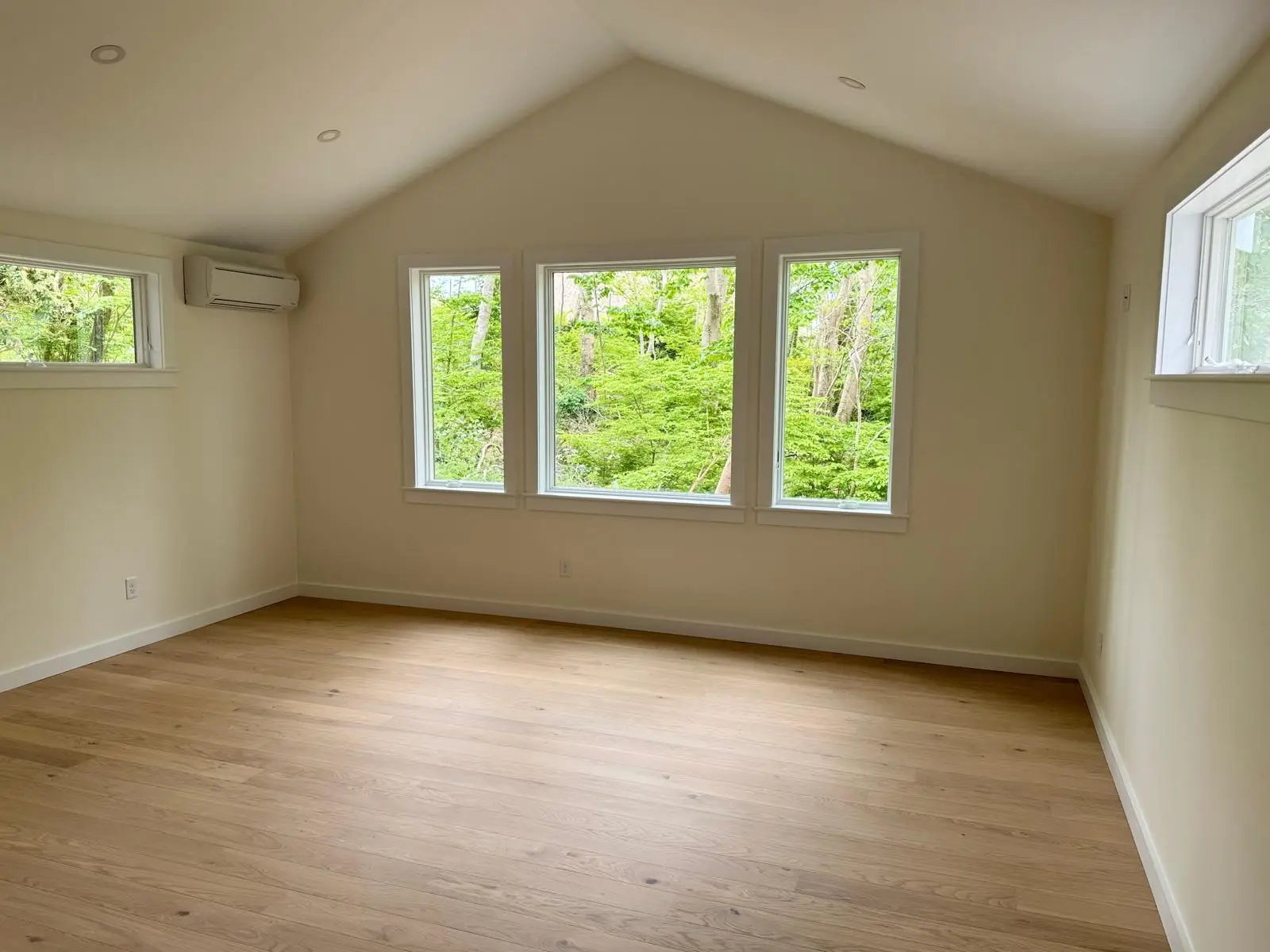
Painting a concrete basement floor is a practical and cost-effective way to transform a drab, dusty space into a more inviting, functional, and aesthetically pleasing area. Whether you’re converting your basement into a living room, home gym, workshop, or simply want to improve its appearance, a painted floor offers numerous benefits. This guide will walk you through the entire process, from understanding the advantages and disadvantages to selecting the right materials and applying the paint like a pro.
Why paint a basement floor? Benefits & drawbacks
Before you start, it’s good to understand what painting your basement floor entails.
Benefits
- Improved Aesthetics: Transforms ugly, dull gray concrete into a clean, vibrant, and finished surface. You can choose from a wide range of colors and even add patterns or textures.
- Dust Control: Unsealed concrete floors are notorious for producing dust. Paint effectively seals the surface, significantly reducing dust in your basement.
- Easier to Clean: Painted floors are smooth and non-porous, making them much easier to sweep, mop, and keep clean compared to raw concrete, which can trap dirt.
- Moisture Resistance: While not a waterproofing solution, a properly prepped and painted floor can offer some resistance to minor moisture issues and spills, making cleanup quicker and preventing stains.
- Increased Durability: A good quality concrete floor paint or epoxy coating can protect the concrete from wear and tear, minor abrasions, and chemical spills, extending the life of your floor.
- Cost-Effective: Painting is significantly less expensive than installing other flooring options like carpet, tile, or laminate, making it an attractive option for budget-conscious homeowners.
- Brighter Space: Lighter paint colors can reflect light, helping to brighten an often dark basement.
Drawbacks
- Extensive Preparation: The most crucial step is thorough cleaning and preparation. Failing to do so will result in poor adhesion and premature peeling. This can be time-consuming and labor-intensive.
- Moisture Sensitivity: Paint can peel or bubble if there’s significant moisture rising through the concrete. It’s essential to address any major moisture problems before painting. A moisture test is highly recommended.
- Durability Varies: While durable, paint can chip, scratch, or wear down over time, especially in high-traffic areas or if heavy objects are dragged across it. Regular maintenance and touch-ups may be required.
- Slippery When Wet: Some paint finishes, especially glossier ones, can become slippery when wet. Consider adding anti-slip additives to your paint if this is a concern.
- Odor During Application: Many concrete paints and primers have strong fumes. Good ventilation is crucial during and after application.
- Time Commitment: The process involves multiple steps (cleaning, etching, drying, priming, painting, sealing), each requiring drying time, so the project can take several days to complete.
Tools and materials you’ll need
Having everything ready before you start will make the process smoother.
Tools:
- Shop Vacuum: For thorough cleaning.
- Stiff-Bristle Brush or Push Broom: For scrubbing.
- Scraper: For removing old paint, glue, or stubborn debris.
- Concrete Etcher/Cleaner: (e.g., muriatic acid alternative or specialized degreaser).
- Garden Hose with Spray Nozzle: For rinsing.
- Squeegee: To push excess water out.
- Buckets: For mixing cleaner and paint.
- Paint Rollers (with extension pole): Heavy-duty 1/2″ to 3/4″ nap for concrete.
- Paint Brushes: For cutting in edges and corners.
- Painter’s Tape: For masking walls and obstacles.
- Safety Gear:
- Rubber Gloves: For handling etcher/cleaner and paint.
- Safety Goggles: Essential for eye protection.
- Respirator Mask: For fumes, especially during cleaning and painting.
- Old Clothes/Coveralls: To protect your clothing.
- Knee Pads: For comfort during detailed work.
- Fan(s): For ventilation and drying.
- Moisture Meter (Optional but Recommended): To check for concrete moisture.
Materials:
- Concrete Repair Kit: For cracks and holes.
- Concrete Primer: Specifically designed for concrete floors.
- Concrete Floor Paint: (e.g., 1-part epoxy paint, latex concrete paint, or 2-part epoxy coating for maximum durability).
- Concrete Sealer (Optional but Recommended): Clear acrylic or polyurethane sealer for added protection and shine.
- Anti-Slip Additive (Optional): If a non-slip surface is desired.
- Drop Cloths/Plastic Sheeting: To protect surrounding areas.
Step 1 – Clean and prepare the concrete surface
Proper preparation is the most critical step for a long-lasting painted floor. Do not cut corners here!
- Empty the Basement: Remove all furniture, boxes, and anything else from the floor.
- Rough Clean: Sweep or use a shop vacuum to remove loose dirt and debris.
- Repair Cracks and Holes:
- Use a wire brush to clean out any cracks or holes.
- Apply a concrete crack filler or patching compound according to manufacturer instructions.
- Allow it to cure completely, then sand smooth if necessary.
- Degrease and Clean Thoroughly:
- Mix your concrete degreaser or cleaner according to package directions.
- Pour it onto the floor and scrub vigorously with a stiff-bristle brush or push broom, paying extra attention to any oil stains or heavily soiled areas.
- Do not let the cleaner dry on the floor.
- Etch the Concrete (If Recommended by Paint Manufacturer):
- Many concrete paints require etching to create a porous surface for better adhesion. Follow the etcher’s instructions carefully. This typically involves diluting the etching solution (often a mild acid alternative), applying it, letting it fizz, and then scrubbing.
- Rinse Extensively: This is crucial. Use a garden hose to thoroughly rinse the floor multiple times. You need to remove all cleaning solution and etcher residue. Push excess water out the door with a squeegee.
- Dry Completely: Allow the floor to dry for at least 24-48 hours, or longer if the basement is humid. Good ventilation (fans, open windows/doors) is essential.
- Moisture Test: Tape small squares of plastic sheeting (1×1 ft) to various spots on the floor. If condensation forms under the plastic after 24 hours, you have a moisture issue that needs addressing (e.g., dehumidifier, exterior drainage improvements) before painting, or the paint will likely fail.
Step 2 – Apply primer for better adhesion
Priming creates a uniform surface and ensures your paint adheres strongly to the concrete.
- Read Instructions: Always follow the specific instructions on your chosen concrete primer.
- Ventilate: Ensure the basement is well-ventilated during priming.
- Mask: Use painter’s tape to mask off the bottom edges of walls, pillars, and any other areas you don’t want to paint.
- Cut In: Using a paintbrush, “cut in” along the masked edges, corners, and around any obstacles.
- Roll: Pour primer into a paint tray. Using a roller with an extension pole, apply a thin, even coat of primer across the entire floor. Work in small sections, maintaining a wet edge to avoid lap marks.
- Drying Time: Allow the primer to dry completely according to the manufacturer’s recommendations. This typically takes a few hours but can vary.
Step 3 – Paint and seal the basement floor
Now for the color! This step brings your vision to life.
- Read Instructions: Again, meticulously follow the instructions for your chosen concrete floor paint and sealer. Pay close attention to mixing ratios (especially for 2-part epoxies) and re-coat times.
- Ventilate: Maintain excellent ventilation throughout the painting process.
- First Coat of Paint:
- Stir the paint thoroughly.
- Start by cutting in the edges and corners with a brush, just as you did with the primer.
- Using a roller with an extension pole, apply the first coat of paint to the main floor area. Work in small, manageable sections (e.g., 4×4 ft or 6×6 ft), rolling evenly and consistently. Overlap each pass slightly to ensure full coverage.
- Plan your exit carefully so you don’t paint yourself into a corner!
- Drying Time: Allow the first coat to dry completely. This is crucial and can take anywhere from 4-24 hours, depending on the paint type and humidity. Do not re-coat too soon.
- Second Coat of Paint (Optional but Recommended): For richer color, enhanced durability, and better coverage, a second coat of paint is highly recommended. Apply it in the same manner as the first coat, after the first coat has fully dried.
- Apply Sealer (Optional but Recommended):
- Once the final paint coat is completely dry (usually 24-48 hours, check manufacturer instructions), apply a clear concrete sealer. This adds an extra layer of protection against wear, stains, and moisture, and can enhance the paint’s sheen.
- Apply the sealer using a clean roller, following the manufacturer’s directions for application and drying.
- Two thin coats of sealer are often better than one thick coat.
- Curing Time: The floor will be dry to the touch relatively quickly, but it needs time to cure (harden completely) before heavy use. This can range from 3-7 days for light foot traffic and up to 30 days for full heavy use or placing heavy furniture. Avoid dragging furniture, driving cars, or exposing it to harsh chemicals during the curing period.
Maintenance tips for painted concrete floors
To keep your newly painted basement floor looking great for years to come:
- Regular Cleaning: Sweep or vacuum regularly to remove dirt and grit, which can scratch the paint.
- Damp Mopping: Clean spills immediately. For general cleaning, damp mop the floor with a mild, pH-neutral cleaner. Avoid harsh chemicals, abrasive cleaners, or highly acidic/alkaline solutions, as these can dull or damage the paint.
- Avoid Abrasive Tools: Do not use abrasive scrubbing pads or wire brushes, as they can scratch the painted surface.
- Use Floor Protectors: Place felt pads or furniture glides under furniture legs to prevent scratches when moving items.
- Area Rugs: Consider using area rugs in high-traffic zones to add an extra layer of protection and visual appeal.
- Address Spills Immediately: Wipe up any chemical spills, oil, or grease promptly to prevent staining or damage to the paint.
- Touch-Ups: Keep leftover paint for touch-ups. If chips or scratches occur, clean the area, lightly sand if necessary, and carefully reapply paint.
- Re-seal Periodically (if applicable): If you applied a sealer, depending on traffic and product, you might consider re-applying it every few years to maintain protection and shine.
Transform your basement from forgotten to fantastic with a fresh coat of paint! Ready to tackle this rewarding DIY project? Gather your materials and start your basement floor transformation today!