
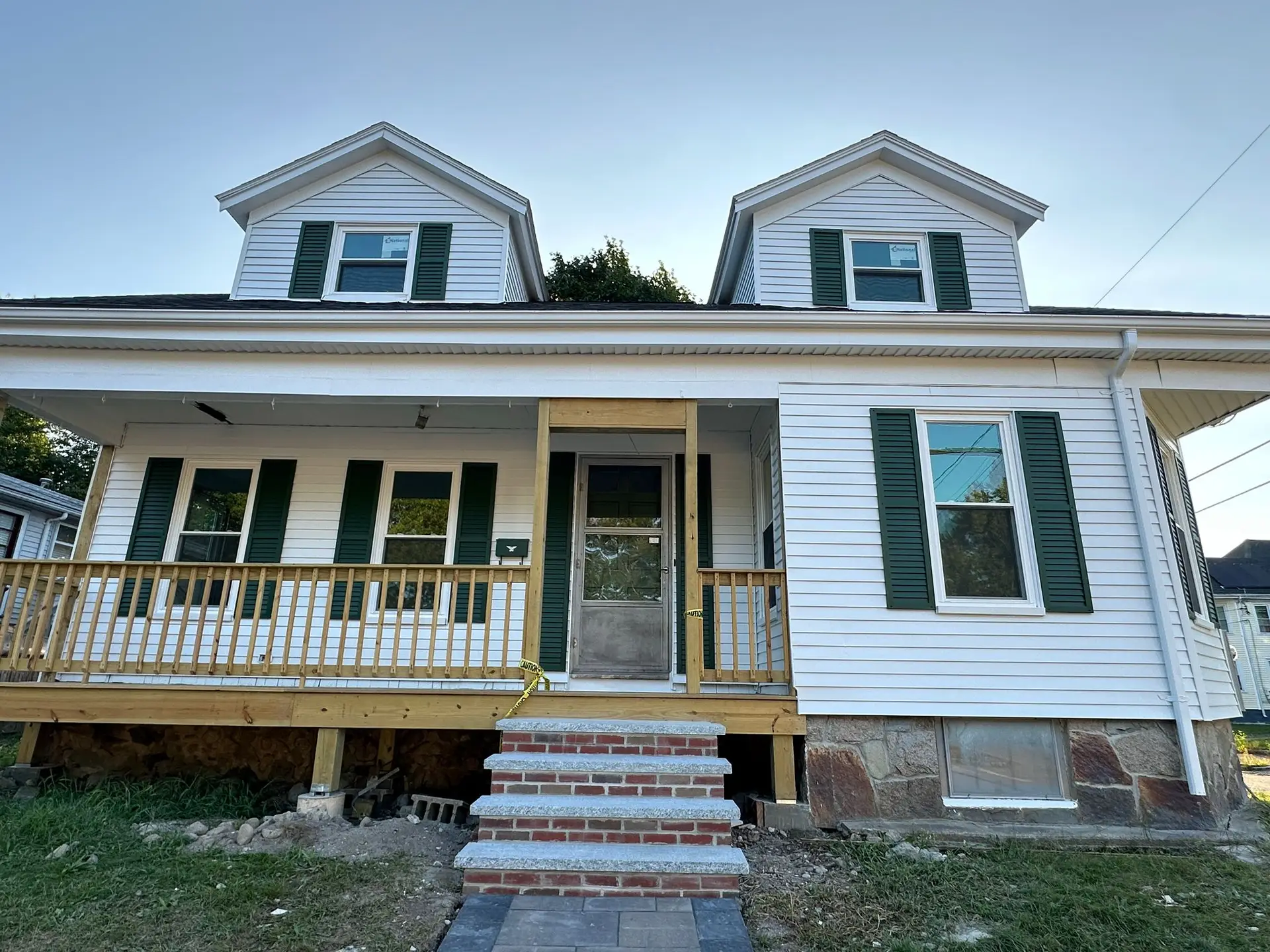
Many homes in Massachusetts feature vinyl siding, a popular choice for its low maintenance and durability. However, over time, vinyl can fade, look dated, or simply no longer match your evolving style. Instead of the costly expense of replacement, homeowners often wonder: can you paint vinyl siding? The answer is a resounding yes, but only with the right approach and careful preparation.
Why homeowners paint vinyl vs siding replacement
Painting vinyl siding offers several compelling advantages over full replacement:
- Cost-Effectiveness: Painting is significantly less expensive than tearing off and replacing all the siding.
- Curb Appeal Boost: A fresh coat of paint instantly revitalizes your home’s exterior, making it look new and well-maintained.
- Color Change: Allows you to update your home’s color scheme to match current trends or your personal preference without a major renovation.
- Extended Life: Adds a protective layer to the siding, potentially extending its lifespan by protecting it from further UV degradation.
- Sustainability: Reusing existing siding is more environmentally friendly than discarding it.
Essential prep: pressure wash, inspect, caulk
Preparation is the most critical step for successful vinyl siding painting. Skipping or rushing prep will lead to paint failure (peeling, blistering).
- Remove Loose Debris: Start by using a garden hose to rinse off loose dirt, cobwebs, and anything stuck to the siding.
- Thorough Cleaning (Crucial):
- Mildew/Grime: Use a solution of 1 part oxygen bleach (or household bleach) to 3 parts water, or a commercial siding cleaner. Apply with a garden sprayer or a soft brush.
- Scrub: Gently scrub the siding, paying close attention to areas with mildew, heavy dirt, or any powdery “chalking” (a white residue from UV degradation). This chalking must be completely removed for paint adhesion.
- Rinse: Thoroughly rinse the siding with a pressure washer (on a low setting, no more than 1500-2000 PSI, holding the wand at a safe distance and angle to avoid damaging the siding or forcing water behind it) or a strong garden hose. Ensure all cleaning solution residue and chalking are removed. The surface should feel clean and non-chalky.
- Inspect and Repair: After cleaning, inspect the siding for any damage.
- Cracks/Holes: Fill any small cracks or holes with an exterior-grade, paintable caulk (100% acrylic latex or siliconeized acrylic latex).
- Loose Panels: Secure any loose panels.
- Allow to Dry Completely: This is paramount. Allow the siding to dry for a minimum of 24-48 hours, or even longer in humid conditions. Any trapped moisture can cause paint to blister or peel.
Choose vinyl-safe 100% acrylic paint, light colors
Your paint choice is the second most critical factor.
- 100% Acrylic Latex Paint: This is the only type of paint recommended. Acrylic paint is flexible, allowing it to expand and contract with the vinyl siding as temperatures change. This flexibility is essential to prevent cracking and peeling.
- “Vinyl-Safe” Colors: This is absolutely crucial. Never paint vinyl siding a color darker than its original shade.
- The Science: Darker colors absorb more heat from the sun. Vinyl siding is designed to expand and contract within a certain temperature range. If it gets too hot (which can happen with dark colors), it can warp, buckle, or deform permanently.
- Solution: Many paint manufacturers offer specific “vinyl-safe” color palettes or lines that use special pigments with lower heat absorption properties. If you wish to go darker, you must choose a paint explicitly labeled “vinyl-safe” for darker applications and from a reputable brand. Otherwise, stick to colors that are the same shade or lighter than the existing vinyl.
- Low-Sheen Finish: A satin or eggshell finish is generally recommended. They are durable, easy to clean, and don’t highlight imperfections as much as higher gloss paints.
No primer needed unless covering dark stains
For most vinyl siding painting projects, if the siding is properly cleaned and prepped and you’re using a high-quality 100% acrylic paint (especially one labeled “self-priming”), a separate primer is not always necessary. The acrylic paint’s adhesion properties are typically sufficient.
- When a Primer IS Needed:
- Significant Color Change: If you’re going from a very dark vinyl color to a very light paint color, a quality acrylic bonding primer can help with coverage and color uniformity.
- Stain Blocking: If you have stubborn stains (e.g., tannins from trees, persistent chalking that won’t fully wash off) that might bleed through the topcoat, a stain-blocking acrylic primer should be used.
- Enhanced Adhesion: For maximum adhesion and durability, especially on older, more challenging vinyl, a dedicated acrylic bonding primer can provide an extra layer of security.
Application tips: sprayer recommendations & weather tips
- Application Method:
- Spraying (HVLP or Airless): Provides the smoothest, most uniform finish and is the fastest method, especially for getting paint into the grooves of the siding. Requires significant masking and professional equipment/skill.
- Rolling: Can be done, but ensure you back-brush to work the paint into the grooves. Use a good quality roller with a 3/8-inch or 1/2-inch nap.
- Brushing: Best for cutting in around trim, windows, and doors, or for touch-ups.
- Two Thin Coats: Always apply two thin, even coats of paint rather than one thick one. Thin coats adhere better, dry faster, and are less prone to dripping, sagging, or peeling.
- Weather Conditions:
- Temperature: Paint when temperatures are between 50-90°F (10-32°C). Avoid painting in direct hot sun, as this can cause the paint to dry too quickly, leading to brush marks or poor adhesion.
- Humidity: Low humidity is ideal. High humidity slows drying times.
- Rain: Ensure no rain is expected for at least 24-48 hours after application.
Maintenance, warranties & touch-up reminders
- Maintenance: Regularly clean your painted vinyl siding with a mild detergent and water. Avoid harsh chemicals or high-pressure washing that could damage the paint film.
- Warranties: Many paint manufacturers offer warranties on their vinyl-safe paints, usually covering peeling, blistering, and fading, provided the paint was applied correctly according to their instructions.
- Longevity: Properly painted vinyl siding can last 10-15 years or even longer before needing a repaint, making it a highly durable and long-lasting exterior upgrade.
- Touch-Ups: Keep a small amount of your chosen paint for future touch-ups to address any small chips or wear spots promptly.
Mass Pro Painting specializes in exterior painting services, including expert vinyl siding painting, for homes across Massachusetts. Our team ensures meticulous preparation, precise application, and the use of the right vinyl-safe products to deliver a beautiful, durable, and lasting finish that transforms your home’s curb appeal.