
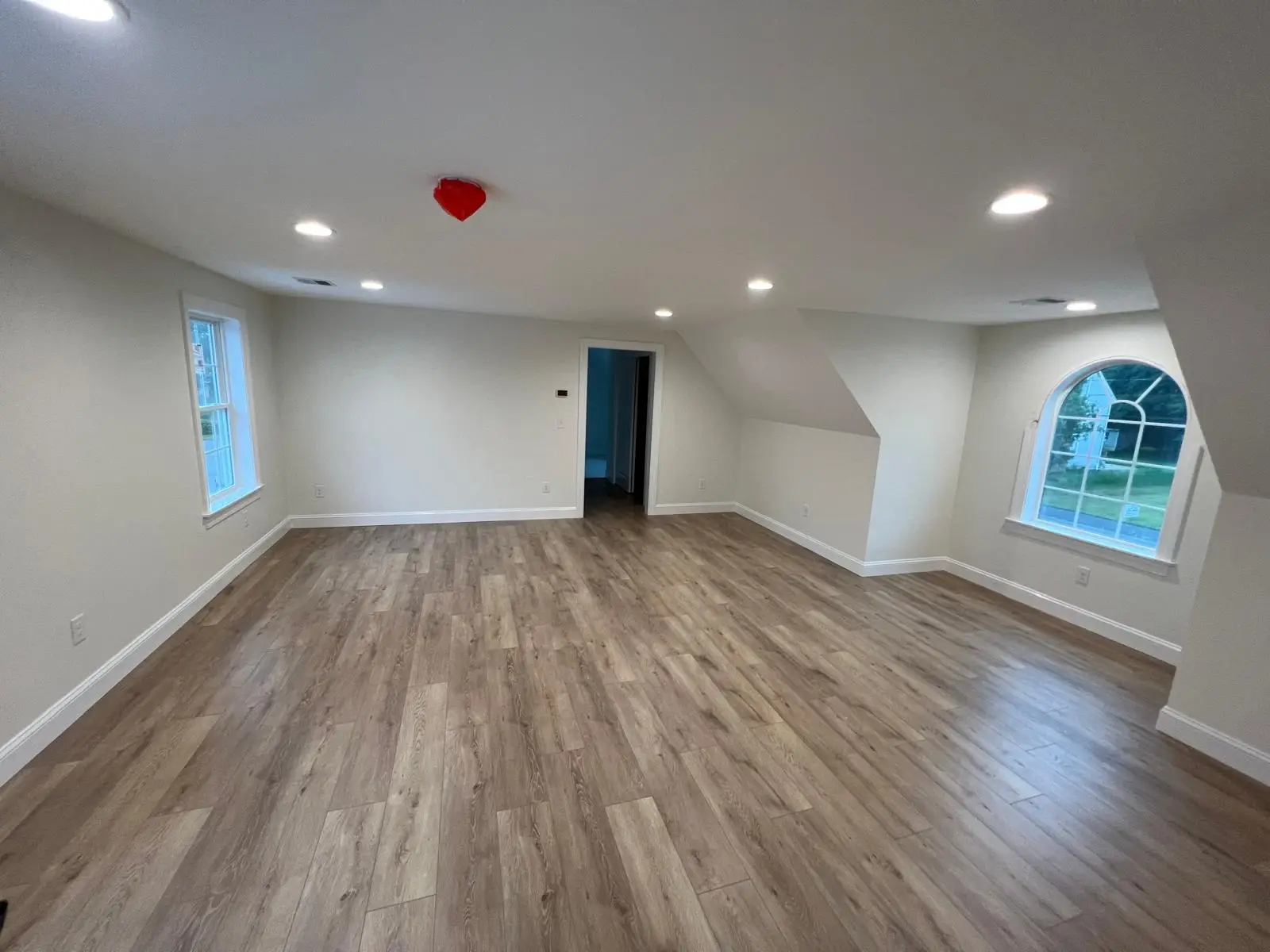
Transforming a basement from a dreary storage space into a vibrant living area often involves thoughtful design choices, and the ceiling plays a crucial role. Unlike main floor ceilings, basement ceilings present unique challenges and opportunities, especially if you’re dealing with exposed pipes, ducts, and wiring. The right ceiling color can dramatically impact the feel, perceived height, and brightness of your basement. This guide explores the key factors to consider, popular color choices, how color influences space, the best paint finishes, and expert tips for painting exposed basement ceilings.
Factors to consider before painting a basement ceiling
Before you pick up a paint brush, consider these important aspects unique to basement environments:
- Ceiling Type:
- Finished Drywall: If your basement ceiling is finished with drywall, you have a clean slate similar to other rooms. The focus will be on color and finish.
- Exposed Joists, Pipes, Ducts, and Wiring: This is common in unfinished or partially finished basements. Painting an exposed ceiling can be a cost-effective way to create a more finished look without the expense of drywall. The challenge here is the extensive prep work and application technique needed to cover all the intricate components.
- Drop Ceiling (Acoustic Tiles): While paintable, drop ceiling tiles can absorb a lot of paint, and painting them in place might fuse them to the grid, making future access difficult. If painting, consider spraying for an even finish and test a tile first.
- Basement Purpose:
- Family Room/Playroom: You might want a brighter, more inviting color.
- Home Office/Gym: A calming or energizing color might be preferred.
- Guest Suite: A sophisticated or neutral tone could be ideal.
- Utility/Storage Area: A practical, lighter color for visibility or a dark color to conceal.
- Amount of Natural Light: Basements are notoriously lacking in natural light. This is perhaps the most significant factor.
- Minimal/No Windows: Lighter, reflective colors are often chosen to bounce what little light there is around the room.
- Some Windows/Walk-out Basement: You have more flexibility with darker colors, as natural light can help balance them.
- Overall Design Aesthetic/Color Palette: The ceiling color should complement the walls, flooring, and furnishings to create a cohesive look. Do you want the ceiling to blend in or be a feature?
Popular basement ceiling colors (white, black, gray)
These three colors dominate basement ceiling choices, each offering distinct advantages.
White
- Pros:
- Maximizes Brightness: White is the most reflective color, making a basement feel significantly brighter and larger by bouncing light around the space. This is often crucial for light-starved basements.
- Perceived Height: A white ceiling visually pushes the ceiling up, making the room feel taller.
- Clean and Expansive: Creates a sense of cleanliness and openness.
- Conceals in a Different Way (Exposed): For exposed ceilings, painting everything white can help blend components together, making them less distinct and creating a uniform, albeit textured, surface.
- Versatile: Goes with any wall color or decor style.
- Cons:
- Shows Dust and Imperfections: Can highlight cobwebs and any dust accumulation, especially on exposed elements.
- Can Feel Clinical: Without warm lighting or contrasting elements, an all-white basement can feel sterile.
Black
- Pros:
- Conceals Exposed Elements: Black is a master at making exposed ductwork, pipes, and wiring “disappear” into the background. It creates a seamless, uniform look by camouflaging the visual clutter.
- Creates Intimacy/Cozy Vibe: A dark ceiling can make a large, open basement feel more intimate and cozy, ideal for a home theater, bar area, or sophisticated lounge.
- Modern/Industrial Aesthetic: Perfectly suits an industrial or modern design style, especially when combined with exposed brick or concrete.
- Adds Depth: Can create a sense of depth and sophistication.
- Cons:
- Absorbs Light: Black absorbs light, making the basement feel darker and potentially smaller. Requires excellent artificial lighting to compensate.
- Can Lower Perceived Height: Visually brings the ceiling down, which might be undesirable in an already low-ceilinged basement.
- Dust Can Show: While it hides pipes, dust that settles on a black ceiling can sometimes be more noticeable.
Gray
- Pros:
- Versatile Middle Ground: Gray offers a fantastic compromise between white and black. It provides some of the concealing benefits of black while offering more light reflection than black.
- Sophisticated and Contemporary: Creates a modern, sophisticated aesthetic.
- Hides Imperfections and Dust: Does a better job than white at concealing minor ceiling imperfections and doesn’t show dust as readily as black.
- Blends with Many Styles: Works well with industrial, contemporary, farmhouse, and transitional styles. Light grays can brighten, while darker grays can add drama.
- Cons:
- Can Feel Cool/Lacking Warmth: Depending on the undertones, some grays can feel a bit cool or sterile without warm lighting or other design elements.
- Requires Careful Selection: Gray comes in many shades (warm, cool, light, dark). Choosing the right one to complement your overall palette is key.
How ceiling color affects room height and brightness
The color you choose for your basement ceiling has a profound psychological and visual impact on the space:
- Perceived Height:
- Light Colors (White, Light Gray): Visually push the ceiling upwards, making the room feel taller and more expansive. They create a sense of openness.
- Dark Colors (Black, Dark Gray): Visually lower the ceiling, making the room feel more intimate and cozy. This can be desirable in a large, cavernous basement but might make a low-ceilinged basement feel claustrophobic.
- Brightness:
- Reflectivity: Lighter colors (especially white) have higher light reflectance values (LRV), meaning they bounce more light back into the room. This is crucial for naturally dark basements.
- Absorptivity: Darker colors (especially black) have low LRVs and absorb light. This makes the room feel darker and requires more artificial lighting to compensate.
- Overall Mood:
- Light Colors: Tend to create a more open, airy, cheerful, and spacious mood.
- Dark Colors: Can evoke feelings of intimacy, sophistication, drama, or coziness.
Consider your basement’s current ceiling height and its intended use. If it’s already low, lighter colors are usually the safer bet to avoid a cave-like feel.
Best paint finishes for basement ceilings
The paint’s finish (sheen) not only affects its durability and cleanability but also how it interacts with light and how noticeable imperfections are.
- Flat/Matte:
- Pros: Excellent at hiding imperfections, which is a major advantage for any ceiling, especially exposed ones where a perfectly smooth surface is impossible. Creates a uniform, non-reflective surface.
- Cons: Historically, flat paints were less durable and harder to clean. However, modern high-quality matte paints are much more robust.
- Recommendation: Highly recommended for most basement ceilings, especially exposed ones. The lack of sheen helps to camouflage irregularities and gives a sophisticated, understated look.
- Eggshell/Satin:
- Pros: Offers a slight sheen, making it more durable and washable than flat. It reflects a bit more light, which can be beneficial in a dark basement.
- Cons: Will show imperfections more than a flat finish.
- Recommendation: A good choice for finished drywall ceilings if you want a subtle glow and enhanced cleanability. Less ideal for highly imperfect exposed ceilings as the sheen might highlight every bump.
- Semi-Gloss:
- Pros: Most durable, highly washable, and very reflective.
- Cons: Will highlight every single imperfection on your ceiling, making it a challenging choice for most basements unless the ceiling is absolutely pristine.
- Recommendation: Generally not recommended for basement ceilings due to its tendency to exaggerate flaws. It might be considered for small, modern, perfectly smooth drywall ceilings, or specific high-traffic areas where extreme washability is paramount.
Pro tips for painting exposed ceilings
Painting an exposed basement ceiling (joists, pipes, ducts) is a labor-intensive but rewarding project.
- Thorough Cleaning is Paramount: This is the most critical step. Remove all dust, cobwebs, grime, and any loose debris. Use a shop vac, wire brush, and a strong degreaser (like TSP) if there’s oil or grease on pipes. Any dirt left behind will be painted over and permanently visible.
- Repair and Secure: Before painting, secure any loose wires or pipes. Cap off old plumbing or electrical lines that are no longer in use. Address any moisture issues or leaks.
- Use a High-Quality Primer: For optimal adhesion and to cover various materials (wood, metal, plastic), a good quality bonding primer is essential. If there’s any rust on pipes, use a rust-inhibiting primer. A stain-blocking primer is also helpful if you have existing water stains.
- Invest in a Paint Sprayer: While brushing and rolling are possible, they are extremely time-consuming and challenging for an exposed ceiling. A paint sprayer is highly recommended for achieving an even, consistent finish on all the nooks and crannies of pipes, ducts, and joists. This will save you days of labor.
- Protect Everything Below: Spray painting generates significant overspray. Cover all walls, floors, windows, and any objects you don’t want painted with plastic sheeting and painter’s tape. Use a professional-grade respirator mask, safety goggles, and protective clothing.
- Work in Sections: When spraying, work in manageable sections, ensuring even coverage from multiple angles to hit all sides of the exposed elements.
- Consider the Number of Coats: Depending on your color change (e.g., from dark to light) and the primer, you might need two coats of paint for full, even coverage.
- Strategic Lighting: Plan your artificial lighting before you paint. Downlights, track lighting, or even pendant lights can enhance the painted ceiling and illuminate the space effectively.
By carefully considering these factors and applying these professional tips, you can transform your basement ceiling into a deliberate design element that enhances your entire lower living space.
Ready to elevate your basement’s look with the perfect ceiling color and finish? Start planning your project today and create a space you’ll love!