
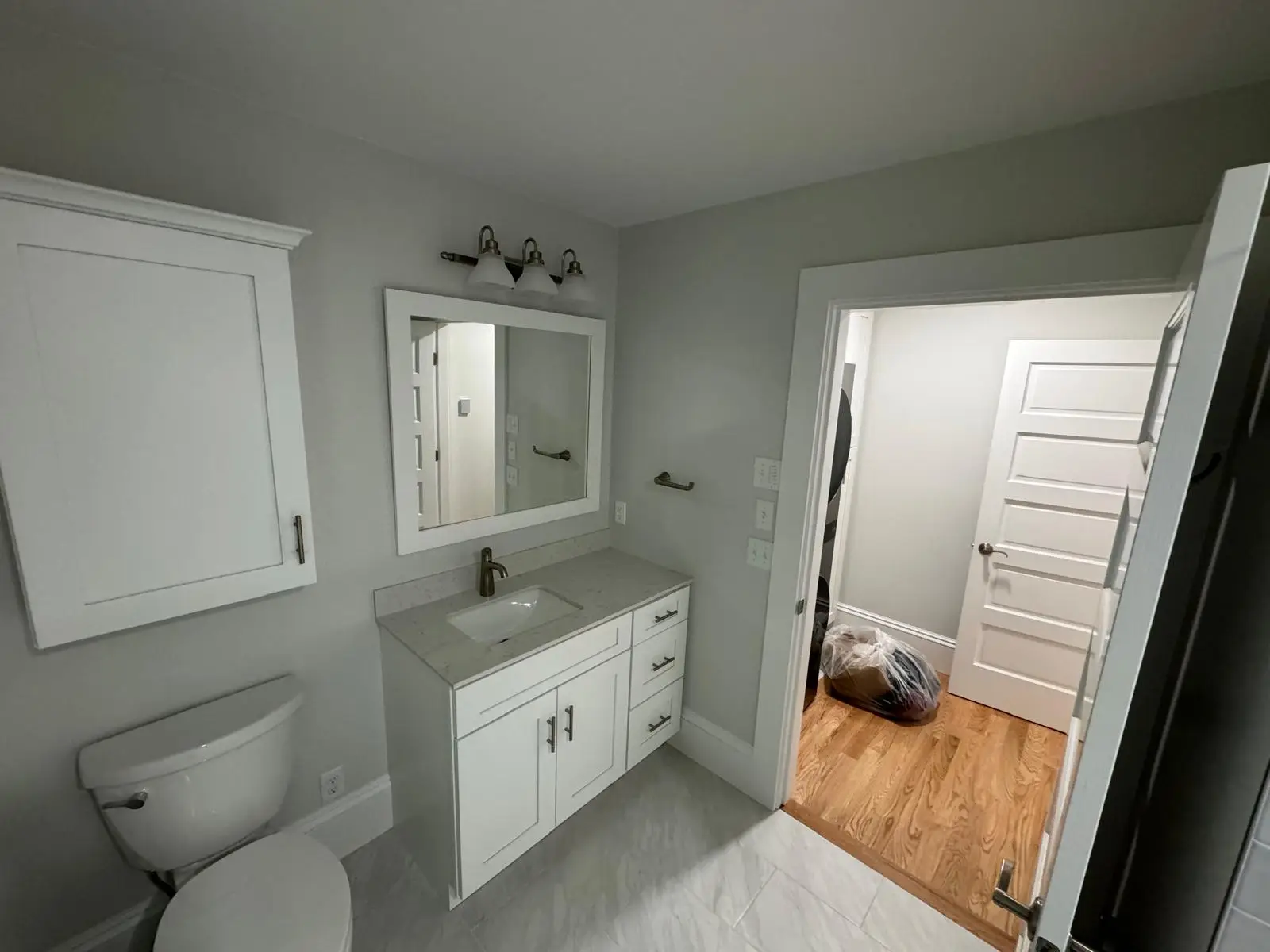
The bathroom, a sanctuary for many, is also one of the most challenging environments in your home for paint. High humidity, steam, and frequent temperature changes create a breeding ground for mold and mildew, especially on the ceiling. Choosing the right paint for this crucial surface isn’t just about aesthetics; it’s about protecting your home from moisture damage and maintaining a healthy environment. This guide will walk you through why bathroom ceilings demand special paint, the best finishes to consider, mold and mildew-resistant options, recommended brands, and expert tips for a durable, long-lasting finish.
Why bathroom ceilings need special paint
Bathrooms are unique in their constant exposure to moisture, making them particularly harsh on standard paints. Here’s why your bathroom ceiling needs more than just any paint:
- High Humidity and Condensation: Showers and baths fill the air with steam and humidity. When this moist air hits a cooler ceiling surface, it condenses into water droplets, creating a perpetually damp environment. This leads to paint peeling, blistering, and sagging.
- Mold and Mildew Growth: The combination of moisture, warmth, and often limited ventilation makes bathroom ceilings highly susceptible to mold and mildew. These fungi can manifest as unsightly black, green, or grey spots, not only ruining the appearance of your ceiling but also potentially impacting air quality and health.
- Poor Ventilation: Many bathrooms, especially older ones, lack adequate exhaust fans or windows. This traps moisture, exacerbating the problems mentioned above.
- Stain Accumulation: Beyond mold, water stains from condensation or plumbing leaks can leave unsightly marks that are difficult to cover with regular paint.
Standard interior paints are simply not formulated to withstand these conditions. They lack the necessary binders and additives to resist moisture penetration and inhibit microbial growth, leading to premature paint failure and a constantly dingy-looking ceiling.
Best paint finishes for bathrooms (matte, satin, semi-gloss)
The paint’s finish, or sheen, impacts its durability, cleanability, and how it handles moisture. For bathroom ceilings, the general rule is: the higher the sheen, the better its moisture resistance and washability.
- Flat/Matte:
- Pros: Excellent at hiding imperfections, creating a uniform, non-reflective surface that is often preferred for ceilings.
- Cons: Traditionally, flat paints are the least durable and least washable. They are more porous, making them prone to absorbing moisture and more difficult to clean without damaging the finish.
- Recommendation: Avoid traditional flat paints for bathroom ceilings. However, some premium “kitchen & bath” specific paints now offer a durable, washable matte finish (e.g., Benjamin Moore Aura Bath & Spa) that can work well, but they are an exception.
- Satin:
- Pros: Offers a soft, subtle sheen that is significantly more durable and washable than flat paint. It resists moisture better and is much easier to wipe clean of condensation and minor splatters. It also does a decent job of hiding minor surface imperfections.
- Cons: Can show more imperfections than a flat finish.
- Recommendation: Often considered the best all-around choice for bathroom ceilings. It strikes an excellent balance between aesthetics (not too reflective) and functionality (durability, moisture resistance, and washability). Many dedicated “kitchen & bath” paints come in a satin finish.
- Semi-Gloss:
- Pros: Highly durable, extremely washable, and offers superior resistance to moisture, humidity, and mold. Its smooth, hard finish makes it effortless to clean.
- Cons: The most reflective finish, meaning it will highlight every single imperfection on your ceiling (e.g., uneven drywall, old patch marks). If your ceiling is not perfectly smooth, these flaws will be glaringly obvious. Can create a sterile, overly shiny look in some bathrooms.
- Recommendation: Only use semi-gloss if your bathroom ceiling is absolutely pristine and you prioritize maximum durability and ease of cleaning above all else, or if it fits a modern, high-gloss aesthetic.
Mold and mildew-resistant paint options
This is the non-negotiable quality for any bathroom ceiling paint. Look for products specifically labeled with these terms:
- “Kitchen & Bath” Formulas: These paints are engineered with special additives that inhibit the growth of mold and mildew. They also typically have enhanced moisture resistance and scrubbability. Most major paint brands offer a line specifically for these demanding environments.
- Antimicrobial Additives: Some paints incorporate antimicrobial agents directly into their formula, providing an extra layer of defense against microbial growth.
- Acrylic-Latex with Enhanced Binders: Modern acrylic-latex (water-based) paints have come a long way. High-quality acrylic binders create a tighter film that is less porous and more resistant to moisture absorption than older latex paints.
- Oil-Based (Alkyd) Paints: Historically, oil-based paints were known for their superior moisture resistance and durability. However, they are less common for ceilings today due due to their strong fumes, longer drying times, and more challenging cleanup. If used, ensure proper ventilation. They are excellent at blocking stains and moisture.
Important Note: While mold and mildew-resistant paints significantly help, they are not a substitute for good ventilation. Always ensure your bathroom exhaust fan is working correctly and used during and after showers, or open a window if possible.
Recommended paint brands for bathroom ceilings
When selecting paint for your bathroom ceiling, prioritize brands that offer dedicated “Kitchen & Bath” or high-performance lines with mildew resistance.
- Sherwin-Williams:
- Emerald® Interior Acrylic Latex Paint: A premium option with excellent durability, washability, and strong mildew resistance. Available in a durable matte if you prefer a lower sheen.
- Duration Home® Interior Acrylic Latex Paint: Known for its advanced stain-blocking technology and superior scrubbability, making it great for high-moisture areas.
- Benjamin Moore:
- Regal® Select Interior Paint (Moisture Resistant): Their popular formula provides excellent mildew resistance, washability, and coverage, ideal for bathrooms.
- Aura® Bath & Spa: Specifically designed for high-humidity areas, this paint offers a unique matte finish that is still highly durable, washable, and resistant to mildew. A great choice if you want a flat look.
- BEHR (Home Depot Brand):
- BEHR Premium Plus® Interior Paint & Primer (Kitchen & Bath): A widely available and cost-effective option offering good mildew resistance and washability. Often self-priming.
- BEHR Marquee® Interior Paint & Primer (Kitchen & Bath): A step up in quality with enhanced stain resistance, durability, and better coverage.
- Valspar (Lowe’s Brand):
- Valspar® Signature® Interior Paint & Primer (Kitchen & Bath): A solid choice for overall performance, offering scrubbability and mildew resistance.
- Valspar® Optimus™ Interior Paint & Primer: A premium line with advanced stain blocking and superior durability.
- Zinsser (Rust-Oleum):
- B-I-N® Shellac-Based Primer: An absolute must for ceilings with existing water stains, smoke damage, or mildew. It’s an unparalleled stain blocker and excellent at sealing odors. Apply this before your finish coat.
- Bulls Eye 1-2-3® Water-Based Primer: A versatile primer that offers good adhesion and mildew resistance, suitable for less severe staining.
Pro tips for long-lasting bathroom ceiling paint
Even the best paint needs proper application and maintenance to perform its best.
- Crucial Prep: Clean, Clean, Clean! Before painting, thoroughly clean your ceiling. Use a heavy-duty cleaner (like TSP or a specialized mold/mildew cleaner) to remove all soap scum, residue, and any existing mold/mildew. For mold, use a solution of 1 part bleach to 3 parts water, scrub, and allow to dry completely. Rinse well to remove all cleaning product residue.
- Repair and Smooth: Patch any cracks, holes, or peeling paint with appropriate spackle or joint compound. Sand smooth once dry. Even minor imperfections will show through the paint, especially with higher sheens.
- Don’t Skip Primer (Especially for Problem Areas): If you’ve had mold, mildew, or water stains, a dedicated stain-blocking and mildew-resistant primer (like Zinsser B-I-N or Bulls Eye 1-2-3) is essential. This seals the surface, prevents stains from bleeding through, and provides a good base for your topcoat.
- Ensure Good Ventilation: During and after painting, ensure excellent ventilation. Open windows, run the exhaust fan, and use a box fan to help circulate air. This aids in drying and dissipates fumes.
- Use Quality Tools: Invest in good quality brushes, rollers, and an extension pole. A thicker nap roller (e.g., 1/2-inch or 3/4-inch) is good for textured ceilings, while a shorter nap (e.g., 3/8-inch) is better for smooth surfaces. Quality tools make application easier and result in a smoother finish.
- Apply Two Thin Coats: Always apply two thin, even coats of paint rather than one thick coat. This provides better coverage, enhanced durability, and a more uniform finish. Allow the first coat to dry completely according to manufacturer instructions before applying the second.
- Maintain Proper Bathroom Ventilation: After painting, the most important thing for paint longevity is consistent ventilation. Always run your exhaust fan during showers and for at least 20-30 minutes afterward. Consider upgrading to a more powerful or quieter fan if needed.
- Regular Cleaning: Periodically wipe down your bathroom ceiling with a damp cloth and a mild cleaner to prevent buildup of soap scum and early mold spores.
By following these guidelines, you can ensure your bathroom ceiling remains beautiful, mold-free, and protected for many years.
Ready to give your bathroom ceiling the protective and beautiful finish it deserves? Choose wisely and enjoy a fresh, healthy space!