
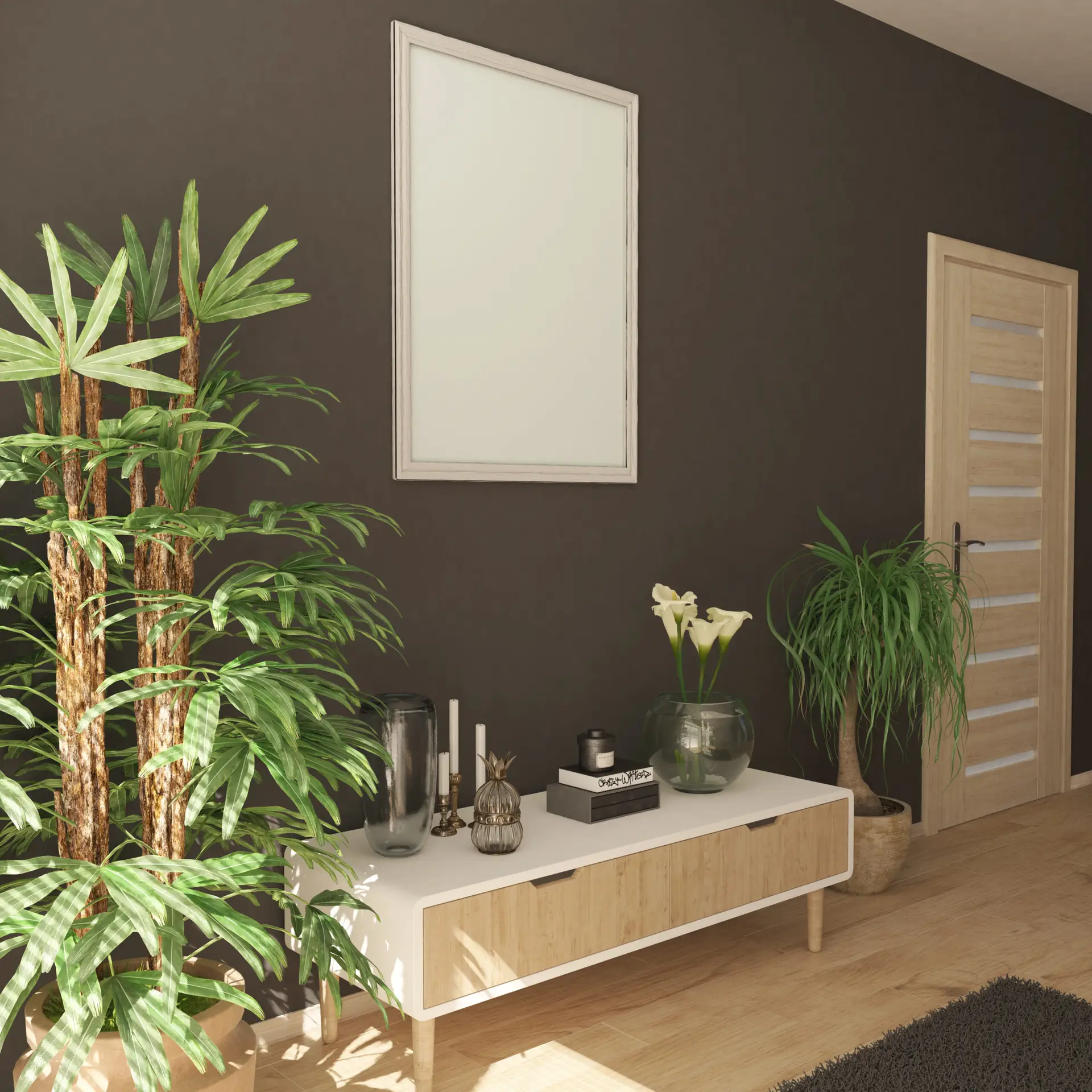
An accent wall, sometimes called a feature wall, is the secret weapon in interior design, offering the biggest impact for the smallest investment. It’s a single wall painted or treated differently from the others, designed to draw the eye and define the room’s purpose. However, simply painting any wall a bold color can backfire; choosing the right wall is paramount to design success.
The Purpose of an Accent Wall
When executed correctly, an accent wall performs several key functions beyond just adding a pop of color. It shapes the way people experience and use the space.
Adding Dimension and Personality
- Creating Depth: A darker or highly saturated color on an accent wall naturally recedes into the background, creating the illusion of greater depth in the room. This effect can make a square, boxy room feel longer or wider, depending on the wall chosen.
- Injecting Personality: It’s an opportunity to use a bold color that you might be afraid to commit to on all four walls. This is where trends, vibrant hues, or unique textures (like vertical shiplap or beadboard) can be safely introduced, reflecting the homeowner’s style.
Highlighting Architectural Features
The best accent walls are often those that already possess unique characteristics or define the core function of the room.
- Fireplaces and Built-Ins: If a wall features a fireplace mantel, custom shelving, or a large, striking window, an accent color will enhance these pre-existing focal points, framing them beautifully.
- Wall Shape: Look for walls with unconventional shapes, such as a wall behind a staircase or a sloped/vaulted ceiling. Painting these in an accent color adds drama and emphasizes the custom architecture.
How to Choose the Perfect Wall
The most crucial rule in accent wall design is to choose the wall that is the natural focal point—the first wall you see when you enter the room or the wall that defines the main function of the space.
The Wall Behind the Bed or Sofa
In living spaces and bedrooms, the accent wall should define the anchor of the room—the largest, most important piece of furniture.
- Bedrooms: Always choose the wall directly behind the headboard. This makes the bed the undisputed focal point, giving the room a sense of grounded tranquility and design intentionality. It also avoids placing the accent wall behind the viewer, which makes the color choice feel irrelevant.
- Living Rooms: The accent wall should typically be the one behind the main sofa or sectional. Alternatively, if your room is centered around a media console, fireplace, or large piece of art, that wall should be the accent wall.
Entryway or Dining Room Focal Point
The strategy shifts slightly in transitional or shared spaces:
- Entryways/Foyers: The ideal accent wall is the one that you face immediately upon walking through the front door. This gives guests an immediate, strong sense of arrival and style.
- Dining Rooms: The wall housing a prominent piece of furniture, like a large buffet or sideboard, or the wall opposite the entrance door, makes an excellent choice. This allows the color to frame the formal dining area without competing with it.
Factors to Consider
Before grabbing the roller, evaluate the wall against the physics and layout of the room.
Natural Light, Wall Shape, and Furniture Placement
| Factor | Guideline | Why It Matters |
| Natural Light | Place darker colors on the walls that receive the most direct natural light. | Direct sun can wash out a lighter color, but a dark color absorbs the light beautifully, preventing glare and adding rich texture. |
| Wall Interruptions | Choose the wall with the fewest doors, windows, or large openings. | Walls with too many breaks dilute the color’s impact. The best accent wall is a large, unbroken canvas. |
| Furniture Height | Ensure the furniture placed against the accent wall is not too tall. | If a large bookcase or cabinet blocks too much of the color, the purpose of the accent is lost. Let the color shine above the sofa or behind a low console. |
Room Size and Symmetry
- To Make a Room Look Wider: Paint the two longest walls in the main color and the two shortest end walls (where you enter/exit) with the accent color. This draws the eye to the ends, stretching the perceived width.
- To Make a Room Look Shorter/Cozy: If you have an unusually long room, paint the two long walls with the accent color to bring the sides visually inward, making the space feel more proportional.
- Symmetry: Accent walls work best when the walls flanking them (the side walls) are uniform. This creates visual balance and lets the accent color act as the center anchor.
Color & Finish Selection
The color choice is about emotional impact, and the finish is about durability and visual sophistication.
Use Darker or Bolder Tones for Depth
Accent walls are the place to use saturated colors—hues with high pigment content.
- Bolder Colors: Rich jewel tones (sapphire, emerald, amethyst), deep charcoals, or vibrant teals are ideal. These colors create the desired sense of depth and focus.
- Avoid: Choosing a color that is only slightly different (one shade lighter or darker) than the main wall color. The contrast needs to be intentional and clear to achieve the “accent” effect.
Matte or Eggshell for a Refined Look
Because accent walls are large, flat surfaces, the paint finish is crucial for hiding imperfections and creating a sophisticated look.
- Matte/Flat: The most refined finish. It absorbs light and makes the color look deep and rich. It is the best choice for concealing wall defects but is the least washable.
- Eggshell/Satin: A slightly more durable and washable choice, often preferred for high-traffic areas like entryways or dining rooms. It has a subtle sheen that reflects minimal light.
- Avoid: High-gloss finishes on large, flat accent walls. Gloss will magnify every drywall bump and imperfection, drawing attention away from the color itself.
FAQs
Can small rooms have accent walls?
Yes, absolutely. Accent walls are incredibly effective in small rooms, as they can create the illusion of greater space. By painting a dark, saturated color on the shortest wall, you give the eye a distinct visual terminus. The dark color makes that wall seem to recede, which effectively pushes the walls apart and makes the room feel larger than it is.
Should trim match the accent wall color?
Typically, no, the trim should match the surrounding walls. The purpose of the trim (baseboards, crown molding, window casings) is usually to frame the space and provide a crisp line.
- Standard Approach: Paint the trim a bright, clean white (like the main, non-accent walls) in a semi-gloss finish. This contrast makes the accent wall color pop even more.
- Monochrome Exception: If you are aiming for a modern, dramatic, monochrome look, you can paint the trim the same color as the accent wall. However, you should still use a higher sheen (semi-gloss) on the trim than the wall (matte/eggshell) to ensure the trim texture stands out.